Nob Hill: Portland Neighborhood Guide
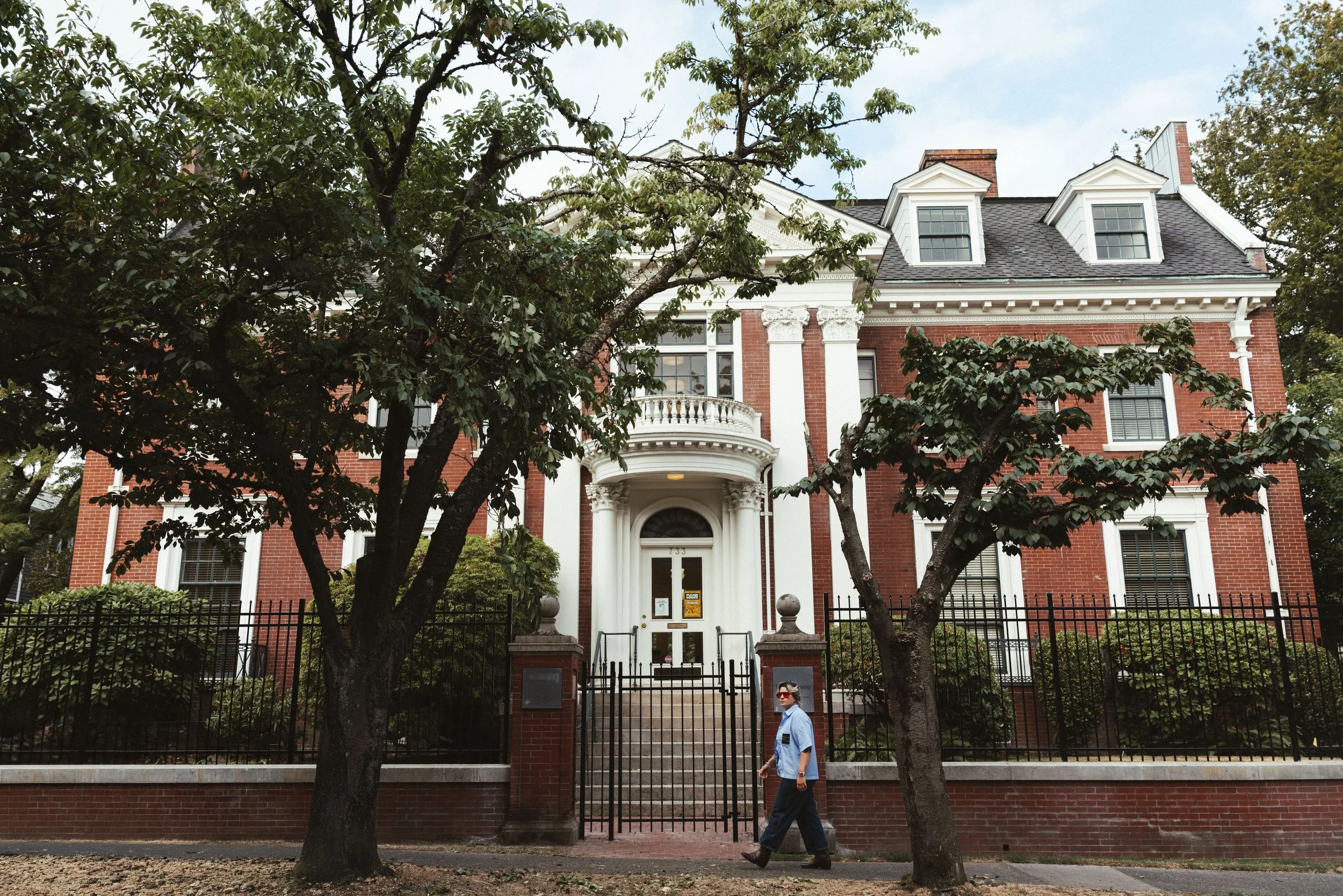
Nob Hill, known to some as simply “Northwest Portland,” or the Alphabet District, is one of Portland’s most iconic areas. On nearly every corner you’ll find a mix of Victorian-era vixens, quirky apartment buildings, and hundred year old mansions. Our wallet hates to see a visit to Nob Hill coming, because you’re never more than a few steps away from cute bars, coffee shops, and vintage shopping. This neighborhood is densely walkable and its charm is unstoppable. Once a ‘Silk Stocking District’ populated by the big names that built the streets of Portland like Couch, Glisan, and Flanders, the history of the city has left its mark on Nob Hill.
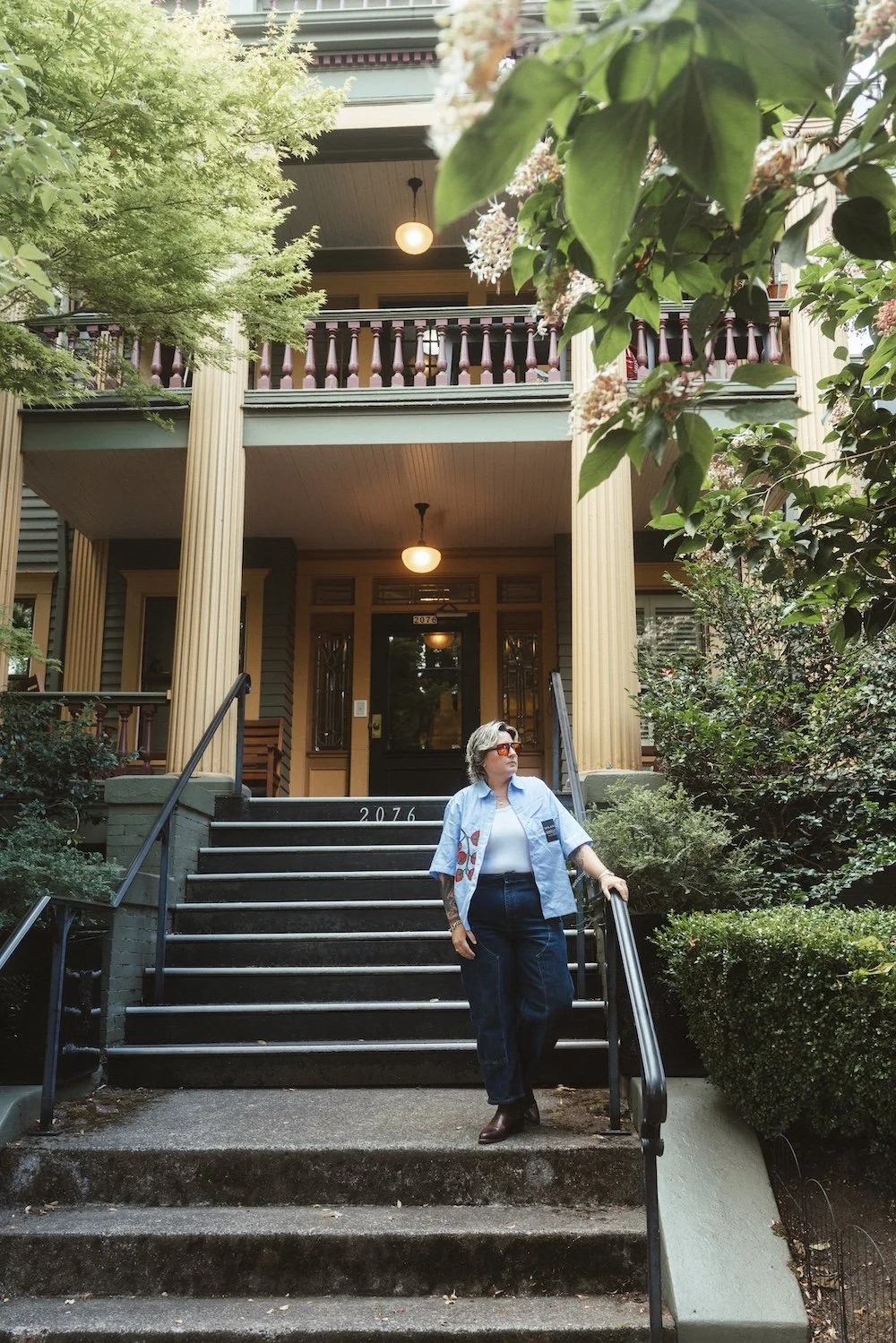
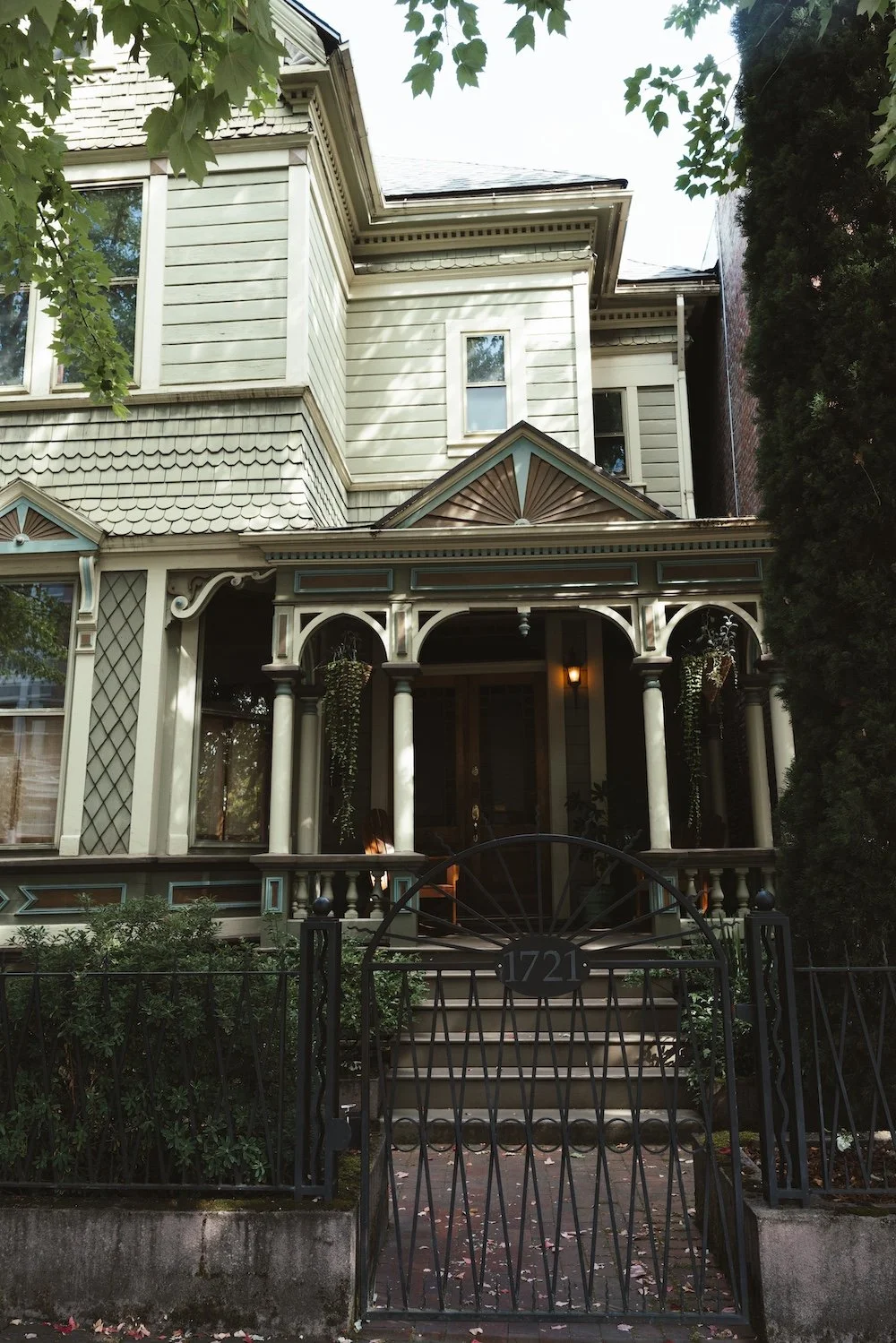
Above left, the entryway of a classical American style four square home. Above right, an elaborately detailed Victorian home, both in Nob Hill in Portland.
Nob Hill began when the ubiquitous Captain John Couch (yes, it’s pronounced ‘Cooch’) made a land claim to the area between Ankeny and Kearney streets. Couch’s wife later expanded the land claim (okay women in male dominated fields!), and led the charge in developing larger-than-standard blocks that attracted wealthy landowners who wanted to build their mansions. The neighborhood became what was known as a Silk Stocking District - meaning its residents could afford luxuries like silk stockings.
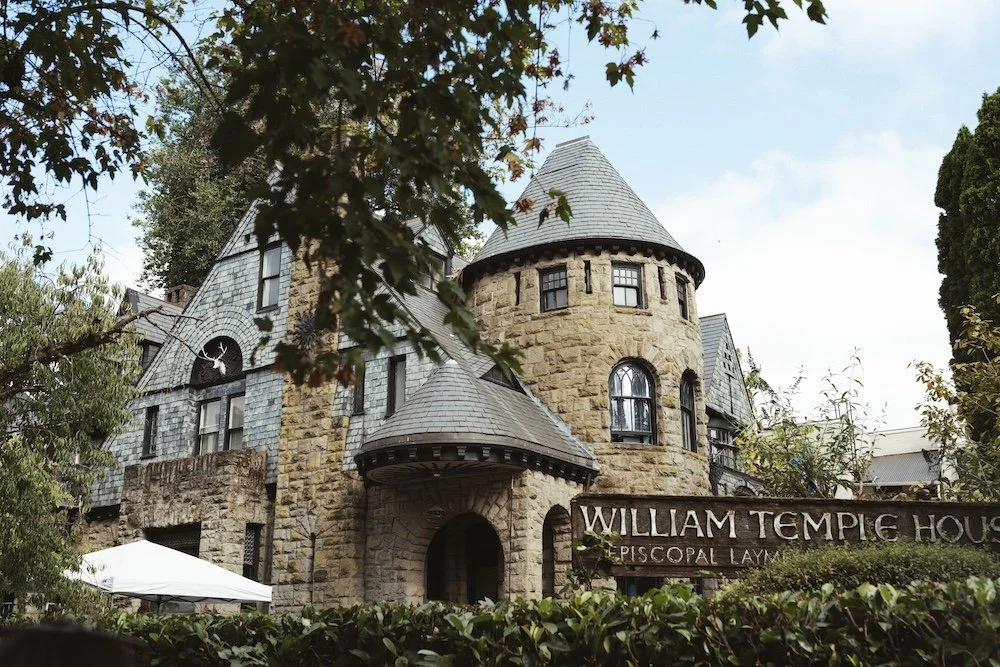
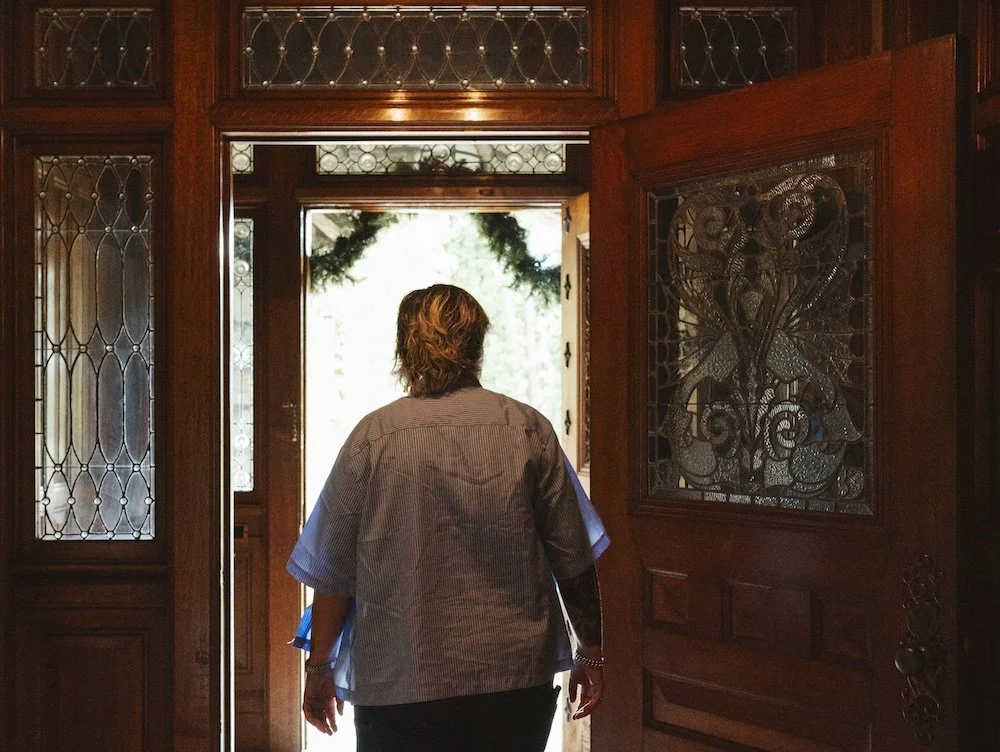
Above left, the striking castle-like exterior of the Romanesque Revival-style William Temple House, built with heavy stone masonry. Above right, the elaborate leaded glass windows in the entryway to the William Temple House.
Some of those mansions still stand today, including the William Temple House, a castle-like Romanesque Revival built by Kenneth and Cora Mackenzie in 1891. Kenneth McKenzie was a Scotsman who played a major role in the development of OHSU’s hilltop campus, while his wife Cora was responsible for the breathtaking interior design of the home. If Cora were around today, we’d hire her in a heartbeat!
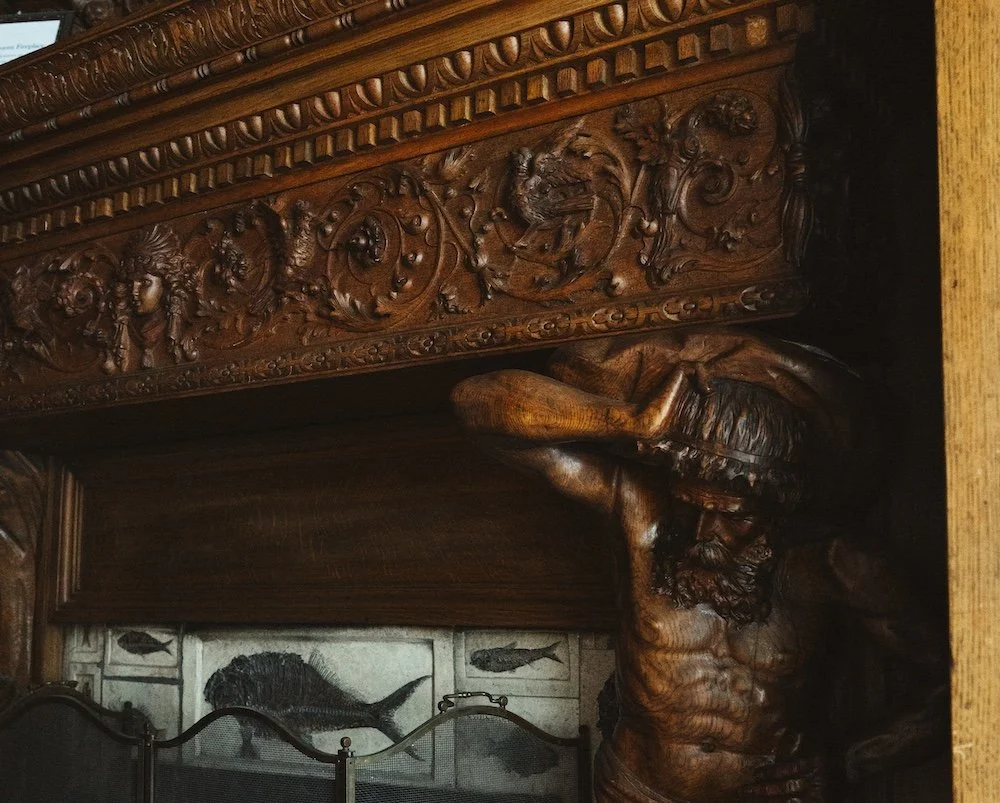
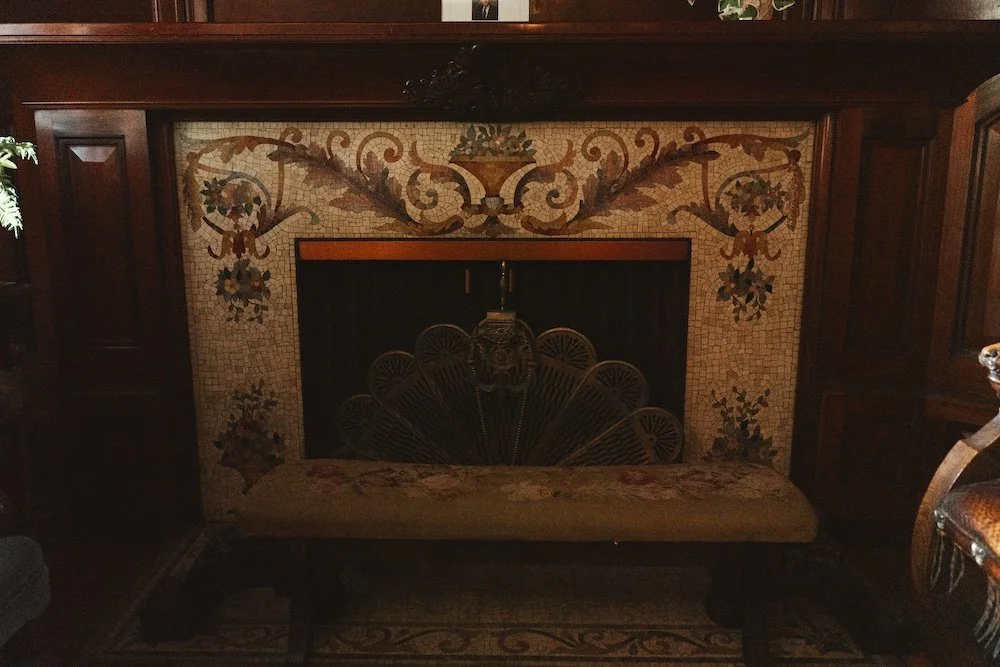
Two original fireplaces in the William Temple House. Above left: fossils and carved wood are meant to exemplify the intersection of art and science. Above right: tiles hand-painted by Cora McKenzie.
Streetcar service played a large role in the growth of the neighborhood. In the late 1800s, streetcar lines to ‘suburbs’ of downtown, like Nob Hill, meant more families could move to these neighborhoods as they became more accessible. The introduction of the automobile in the early 1900s and its quick rise in popularity made suburbs even more desirable.
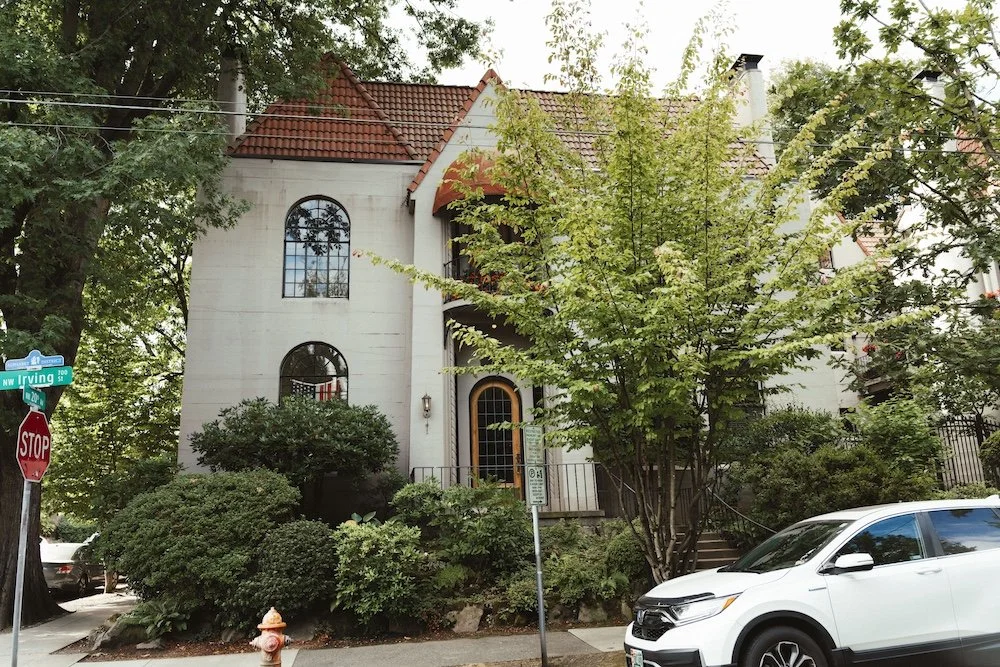
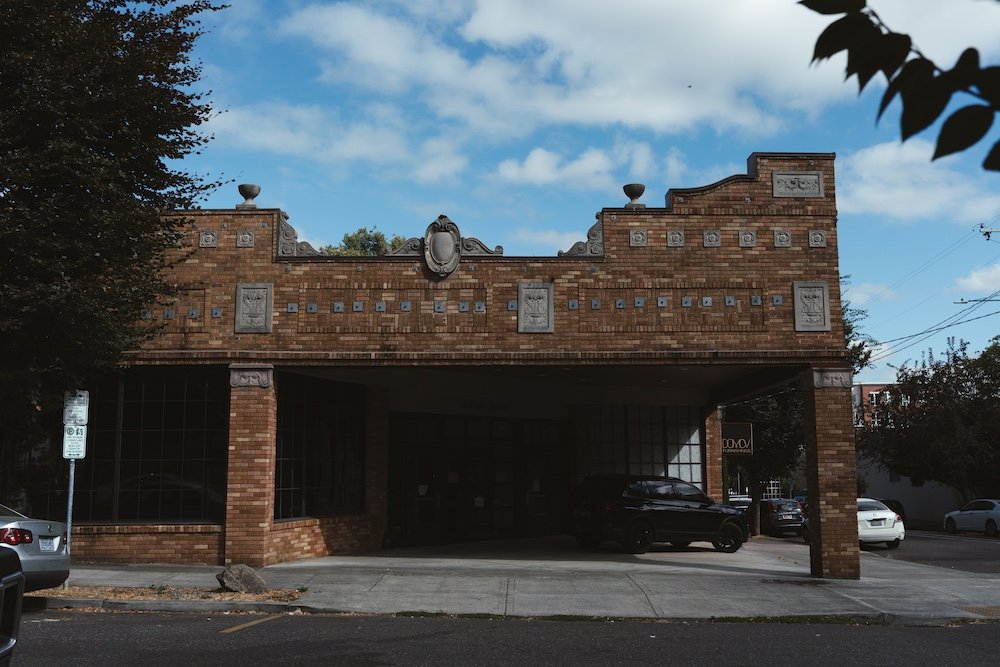
Above left, a Spanish Colonial revival, made of poured concrete rather than the marble or stone its European inspiration would have employed. Above right: a former gas station, built in 1926, decorated with stone cartouche ovals.
The 1905 World’s Fair is an important moment in Portland’s lore, as this was the event that really put Portland on the map. Portland focused on showcasing its lumber industry, and the 1.6 million people who visited seemed to love it, because they moved to Portland in droves after the fair. The population boom that followed led to a rapid period of development. This is when we start to see more single-family homes and apartment buildings pop up alongside the silk stocking mansions. But never a neighborhood to be cookie-cutter, many of Nob Hill’s apartments were designed by Elmer Feig, an eclectic architect who would have loved the modern obsession with all things whimsy. His influences included Egyptian, Moorish, Art Deco, and Mission designs, and no two buildings are the same (there are 21 of them!).
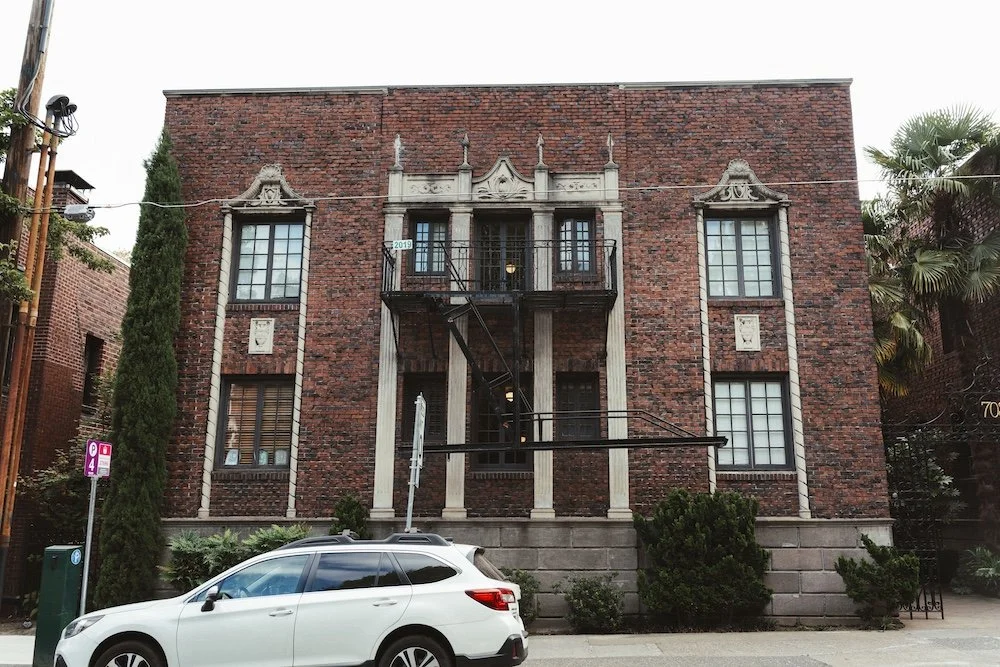
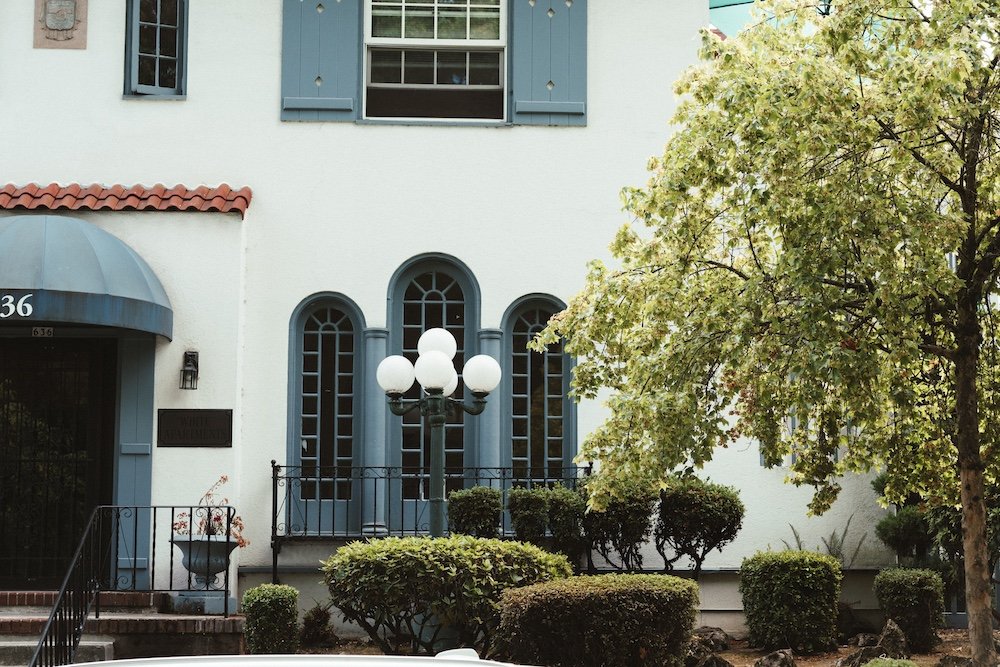
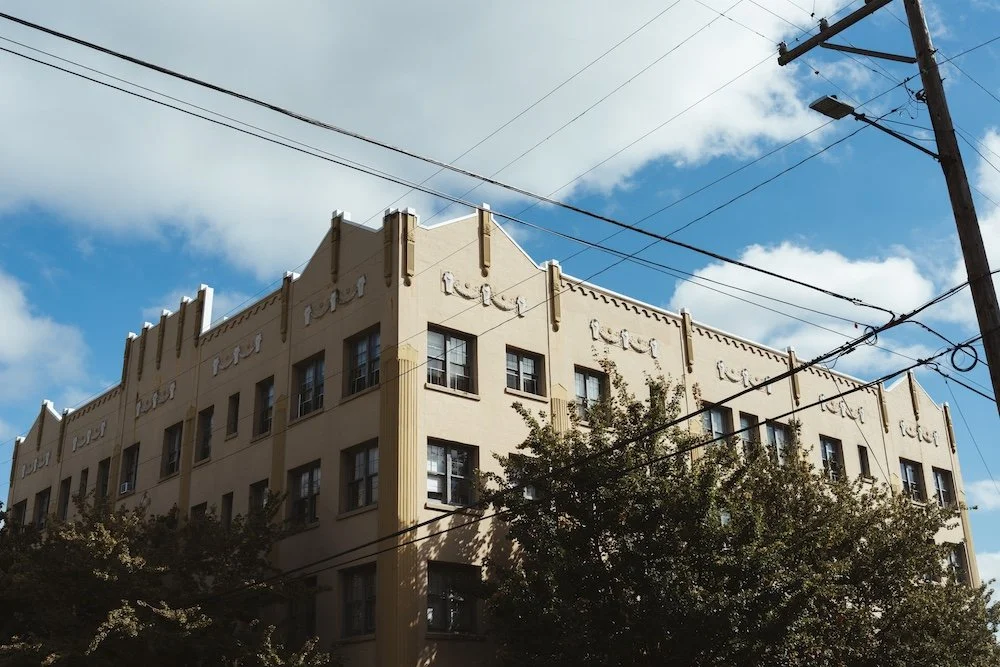
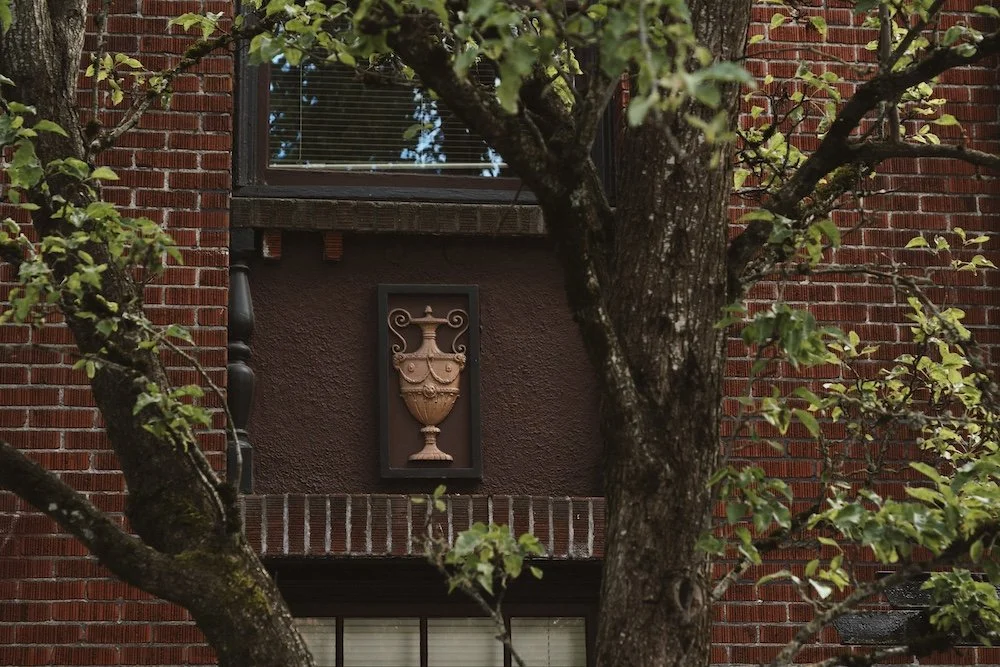
Four apartment buildings in Portland’s Nob Hill exemplify the eclectic influences of Elmer Feig while still remaining congruent with the taste of the neighborhood.
When WWII brought an influx of shipyard workers who needed places to live, many of the large homes of Nob Hill were converted to apartment buildings during this time. After the war, the neighborhood saw a decline in prosperity that lasted into the 80’s and ‘90s. A concerted effort by the neighborhood to preserve the character of Nob Hill resulted in its being placed on the National Register of Historic Places in 2000, and an economic rebound has taken place. NW 23rd and the neighboring streets have become one of the best shopping stops in the city. Rare jewelry, fine dining, neighborhood pizza and bagel spots, vintage treasures, beauty boutiques, and big box stores sit side by side within the colorful converted Victorian and Queen Anne homes lining the street.
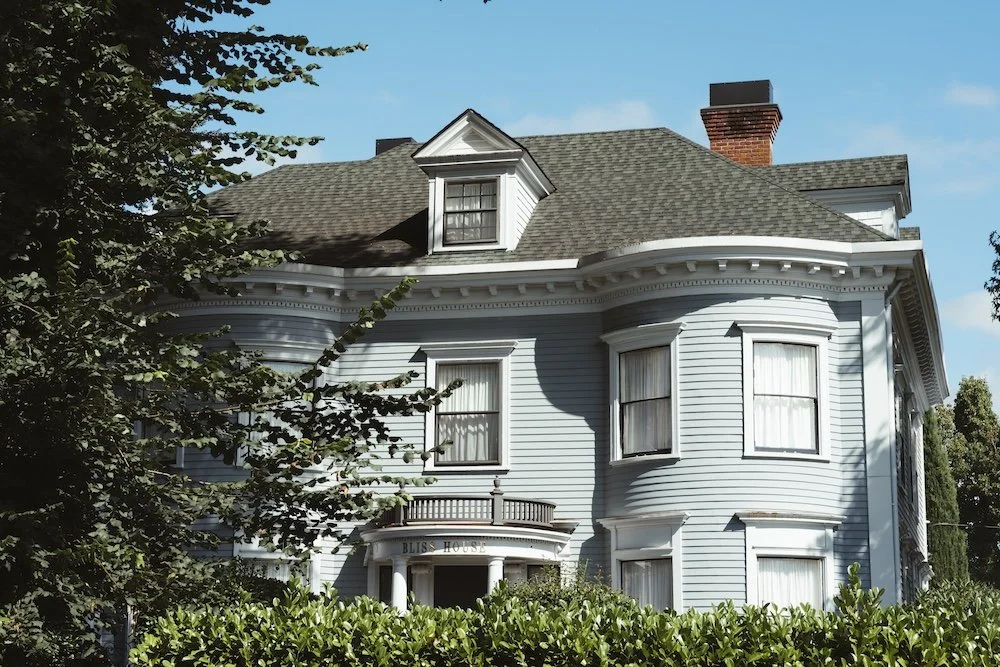
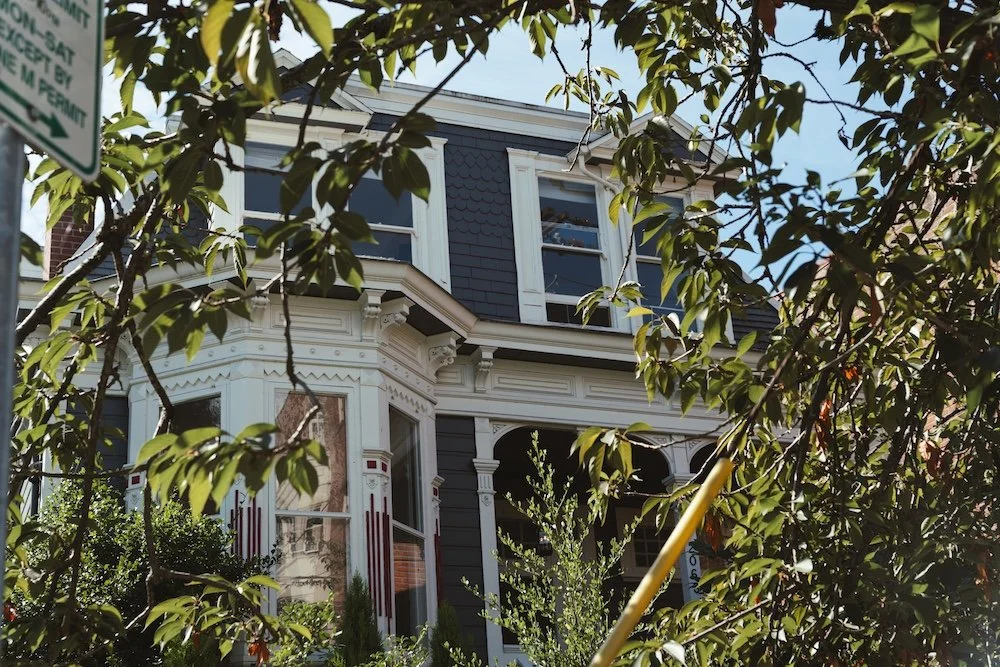
Above left: The striking half round bay windows of the Bliss House in Nob Hill, built by a wealthy Bostonian. It is now home to a dress museum. Above right: mayor Vera Katz’s former home is a rare example of a French second empire home in Portland.
Some of our favorite spots in Nob Hill include Bar Noto, a queer-owned multihyphenate business (our favorite kind). Here you’ll find a gorgeous curation of clothing and home goods that turns into an apertivo bar at night. Just around the corner, The Yo Store is full of colorful clothing, unique accessories, and impossibly cute kids clothes.
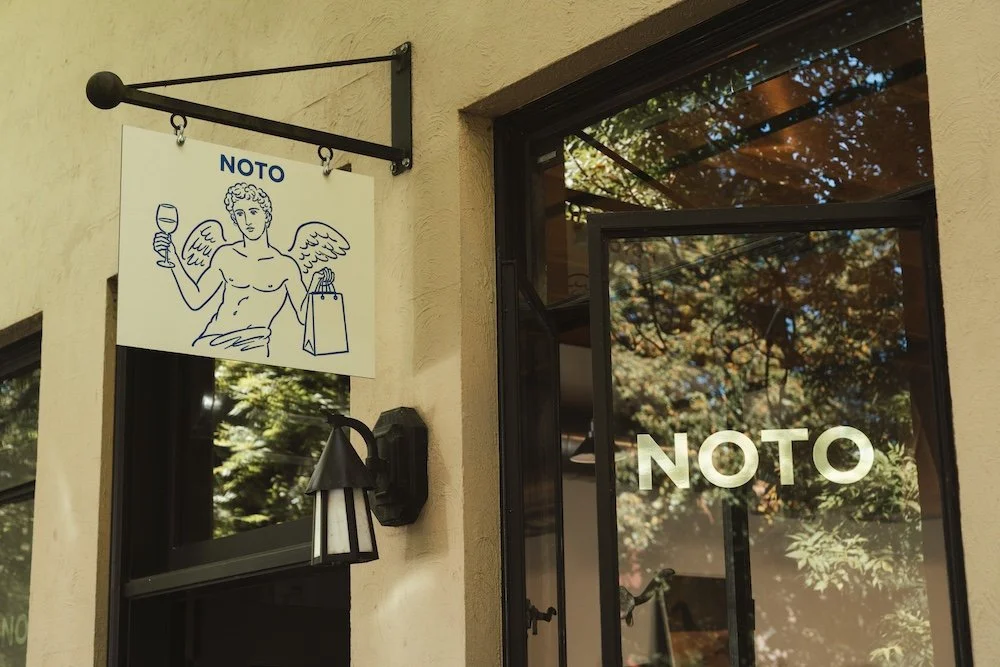
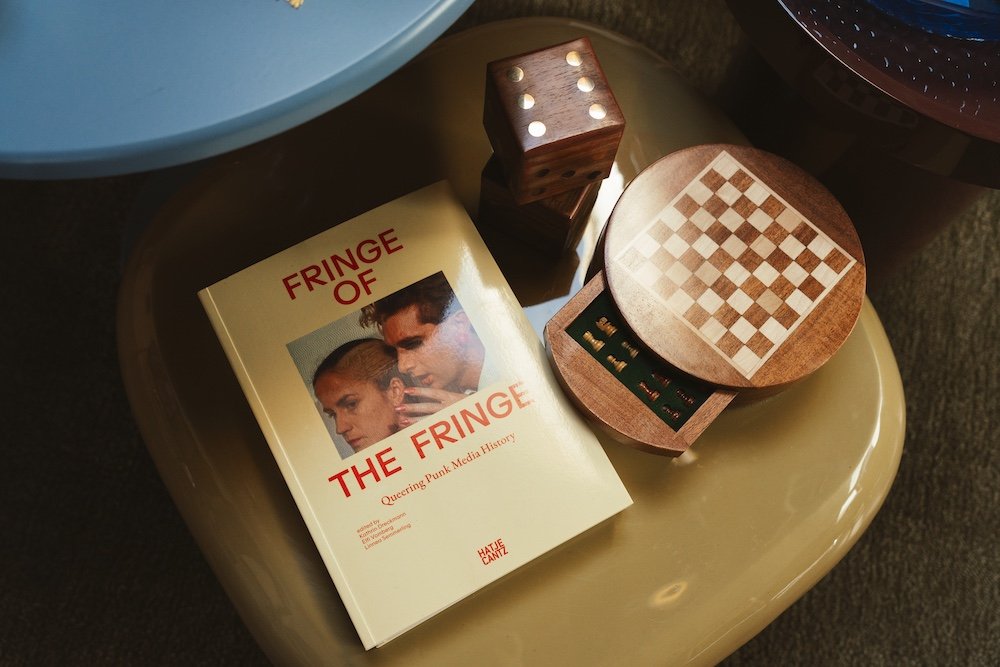
Bar Noto, one of our favorite queer-owned businesses, is a standout Nob Hill spot.
Nob Hill is one of our favorite neighborhoods for Portlanders who want to live a walkable lifestyle, where good food, shopping, and Forest Park are never far. And the area isn’t just for singles, as the neighborhood high school, Lincoln, is one of Portland’s best public schools, and there are beautiful parks and libraries nearby that are perfect for kids. If you had only one day in Portland, we might just suggest that you spend it walking these historic and charming streets!
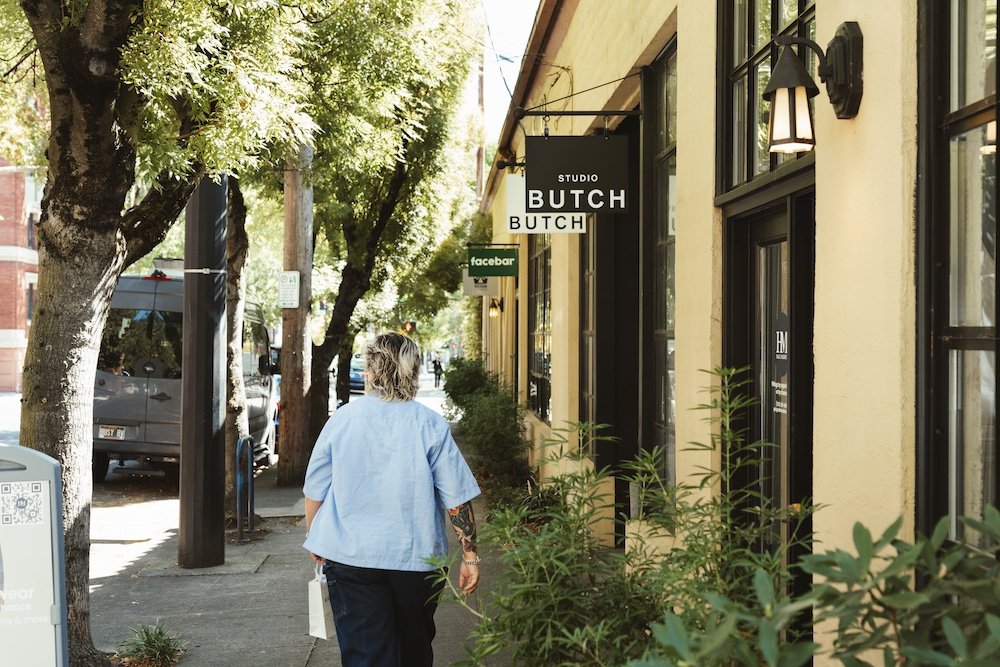
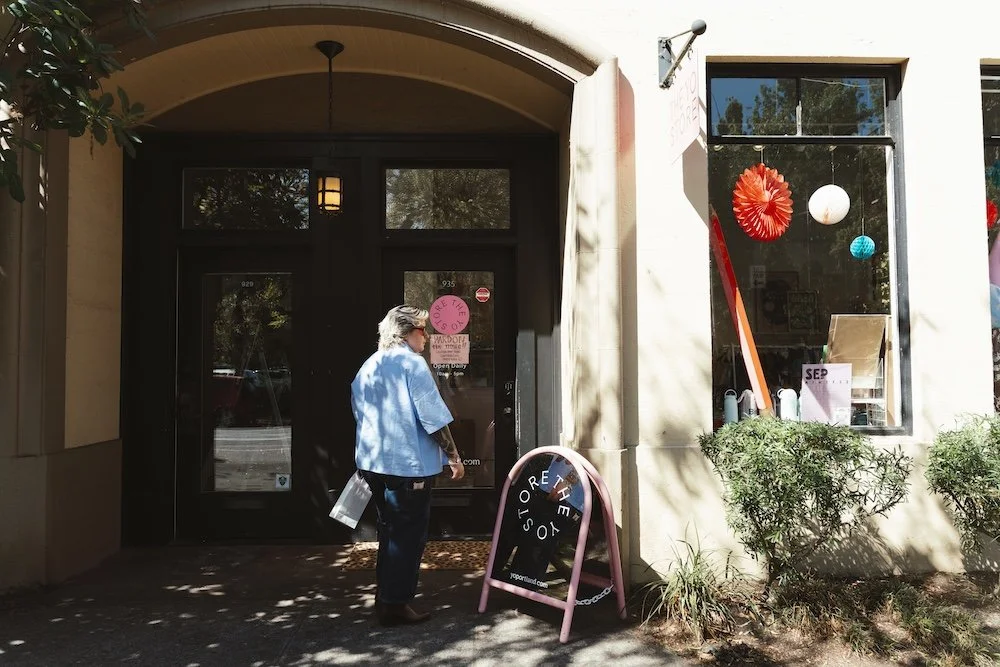
Swinging by Studio Butch before stopping at the Yo Store in Nob Hill.
When you’re shopping for single-family homes in Nob Hill, you will find historic single-family homes, primarily in the Old Portland Four Square, Victorian, Queen Anne, and Spanish Colonial Revival styles. If you’re looking for a condo, you might find an old brownstone, or the top floor of a converted mansion. We are always here to help you find your dream dwelling. Let’s chat about what you’re looking for!