Kenton: Portland Neighborhood Guide
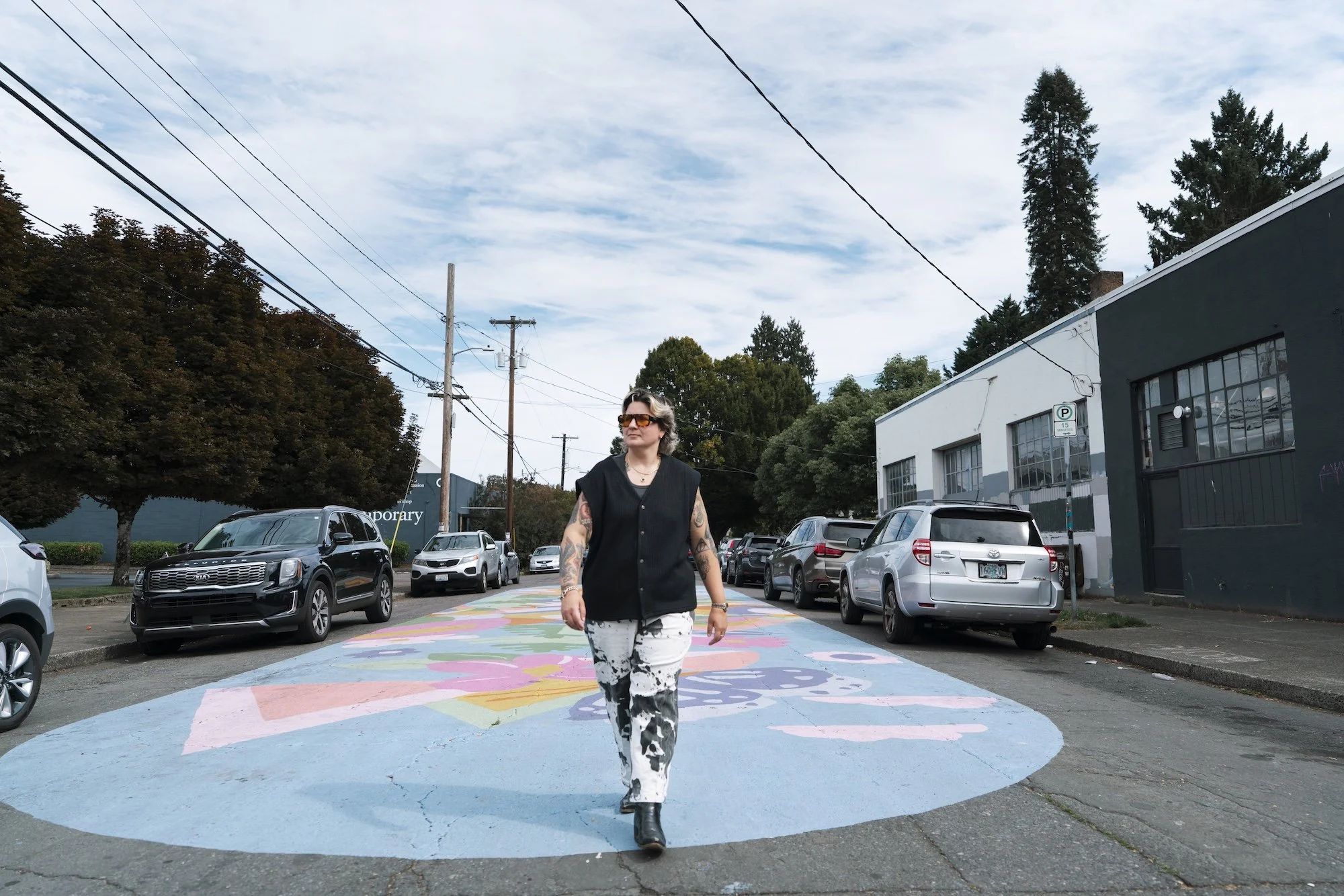
Kenton is a one-of-a-kind North Portland neighborhood that is rich with history. From its origins as a meat packing company town, to the tragedy of the Vanport flood, to its modern day vibrance, this slice of Portland tells a story worth listening to.
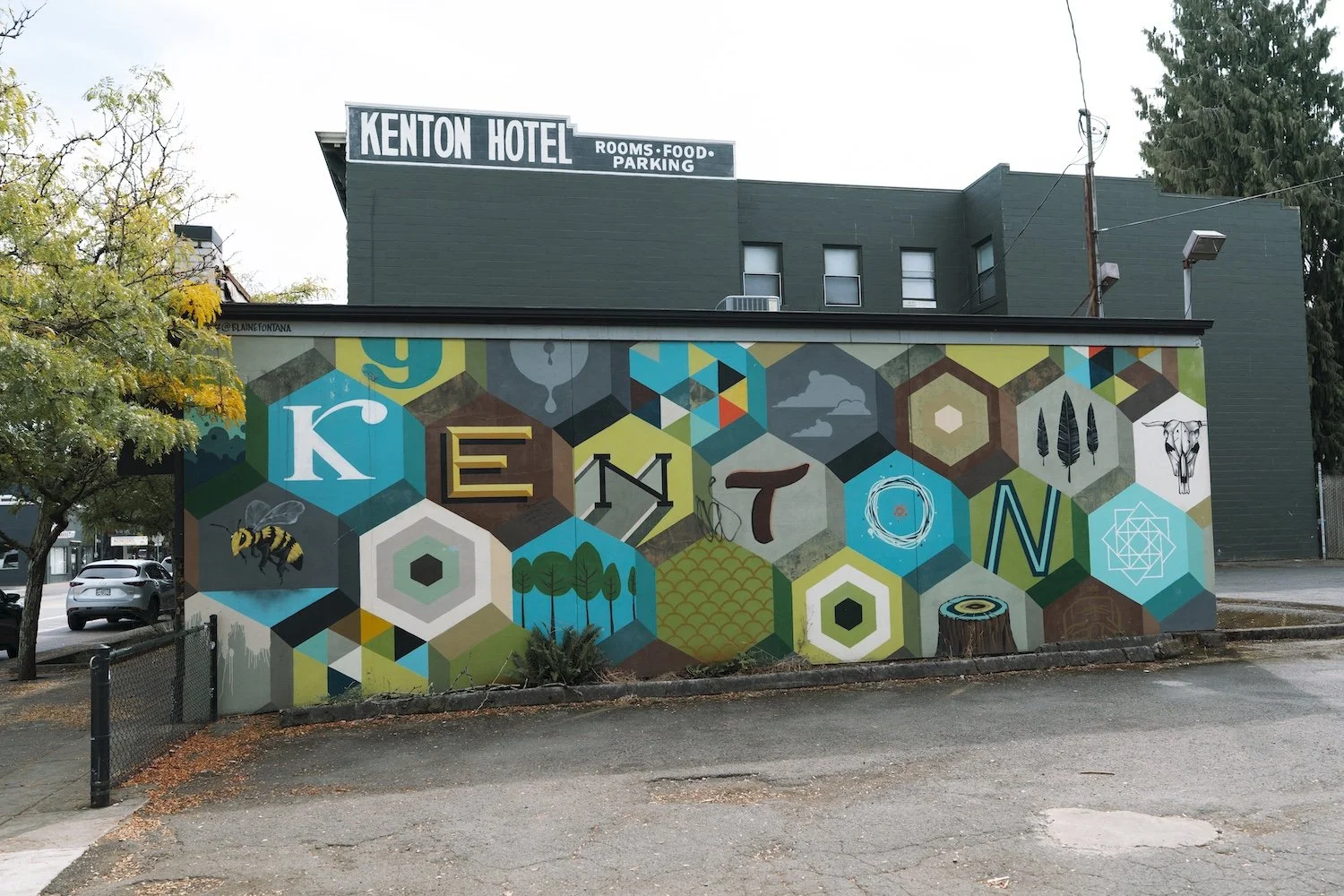
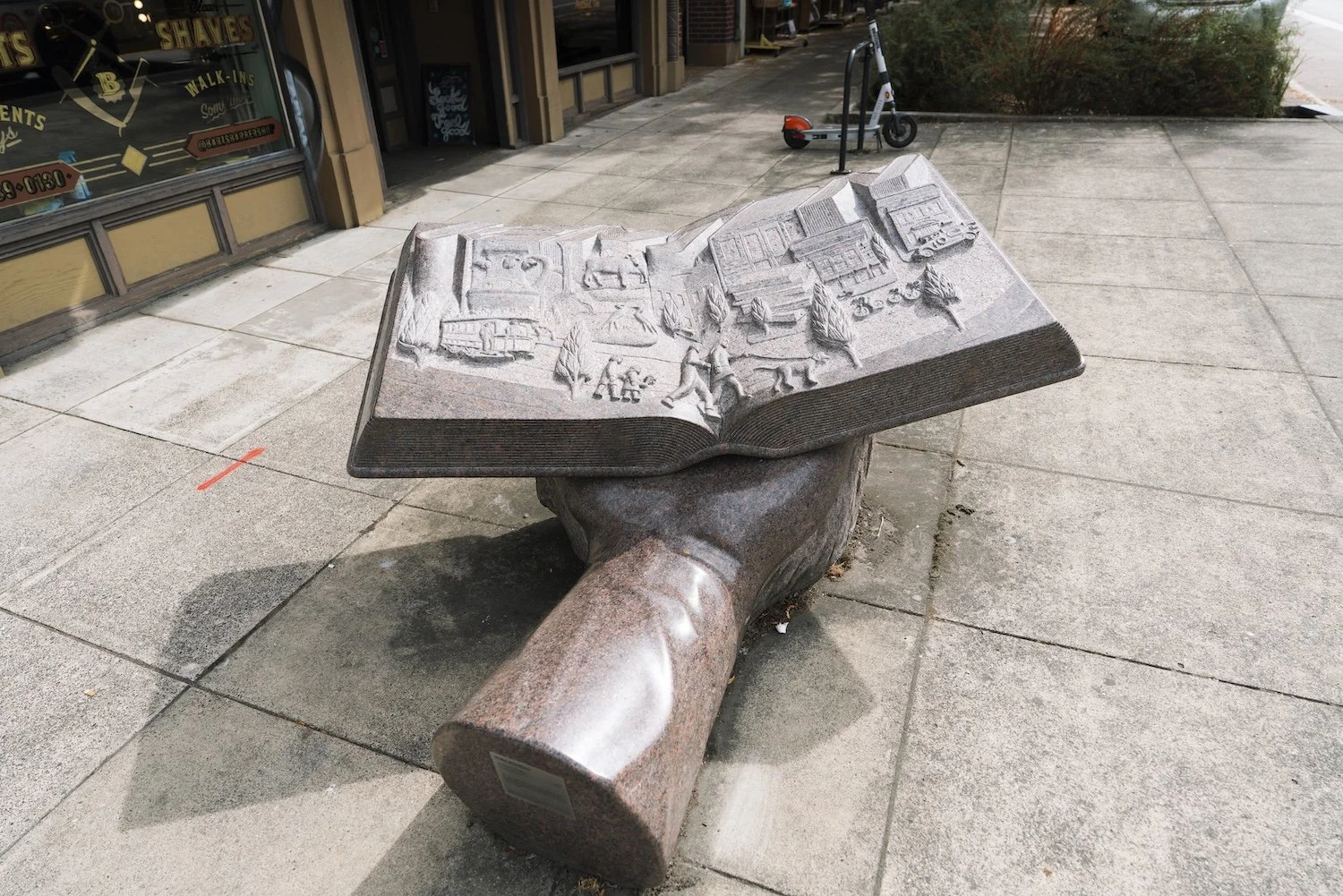
Top left, a mural, and top right, a public sculpture, on N Denver Ave, the main thoroughfare of the neighborhood.
Kenton was built just south of the Columbia river as a company town to house meatpacking employees who worked for the nearby Union Meat Company in the early 1900s. As the business grew, the company built stockyards and a cattle exchange. They chose Kenton’s location for its proximity to railways, because railroads were everything in the Gilded Age. Other businesses caught on, and by 1911, there were 12 different manufacturing companies operating in the neighborhood. Business was booming, and on an average day in Kenton, you could see cowboys on horseback moving cows up Denver Avenue to the stockyards in a traditional cattle drive. More cows were butchered in Kenton than anywhere else in the region. Legends say that if you drink a glass of milk at The Kenton Club, you can hear the ghosts of Edwardian cows mooing (it’s us, we’re the legends).
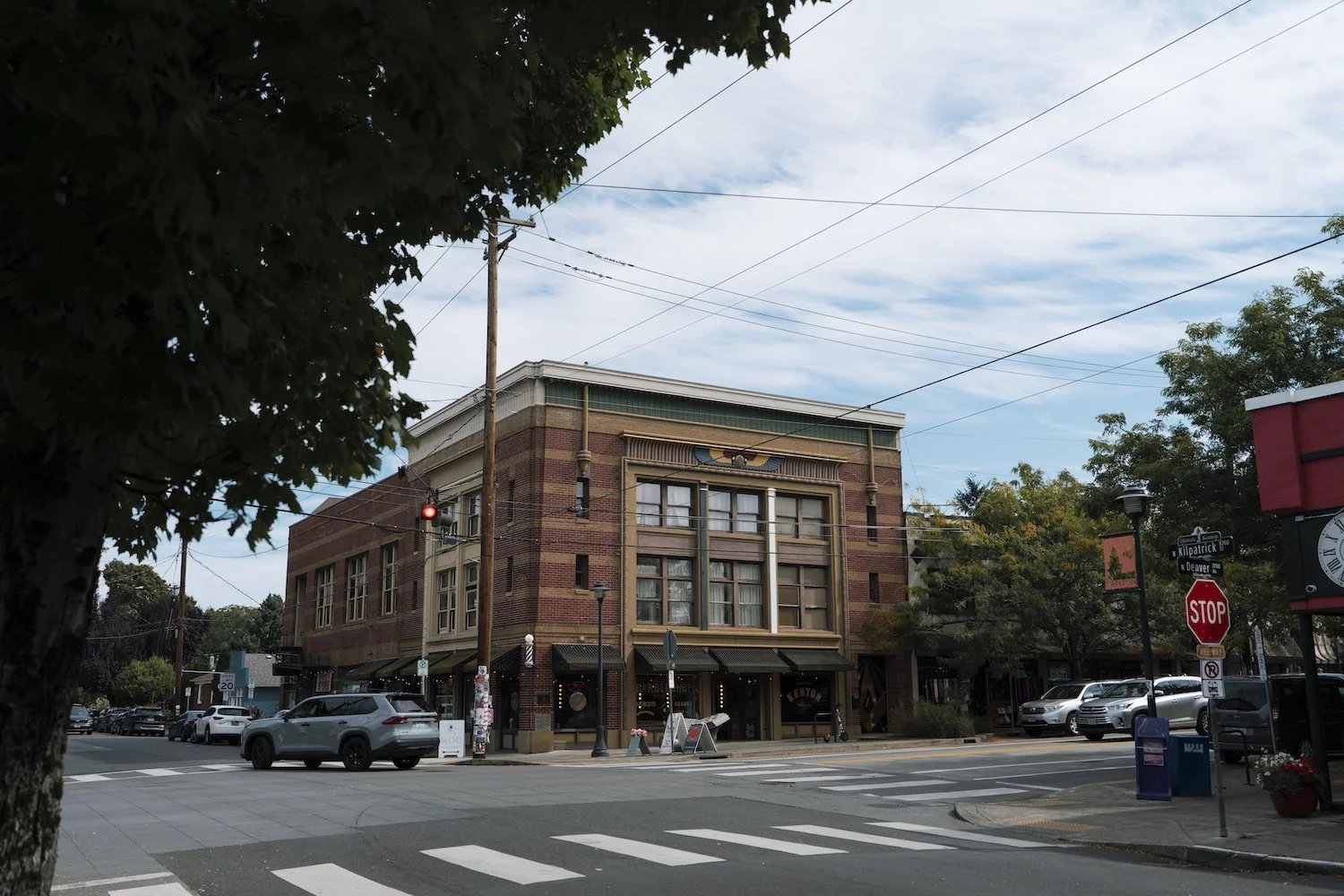
Top left: The former Bank of Kenton on the left side of Denver Ave, and an example of the faux-stone concrete bricks on the right side. Top right: the former Hotel Kenton.
The Bank of Kenton and Hotel Kenton were erected on Derby (now Denver) avenue to accommodate visiting cattlemen who were in town for the cow trade. The buildings were made of concrete blocks, meant to look like stone, to make the Eastern Oregonian ranchers feel more yee-haw and less big city.
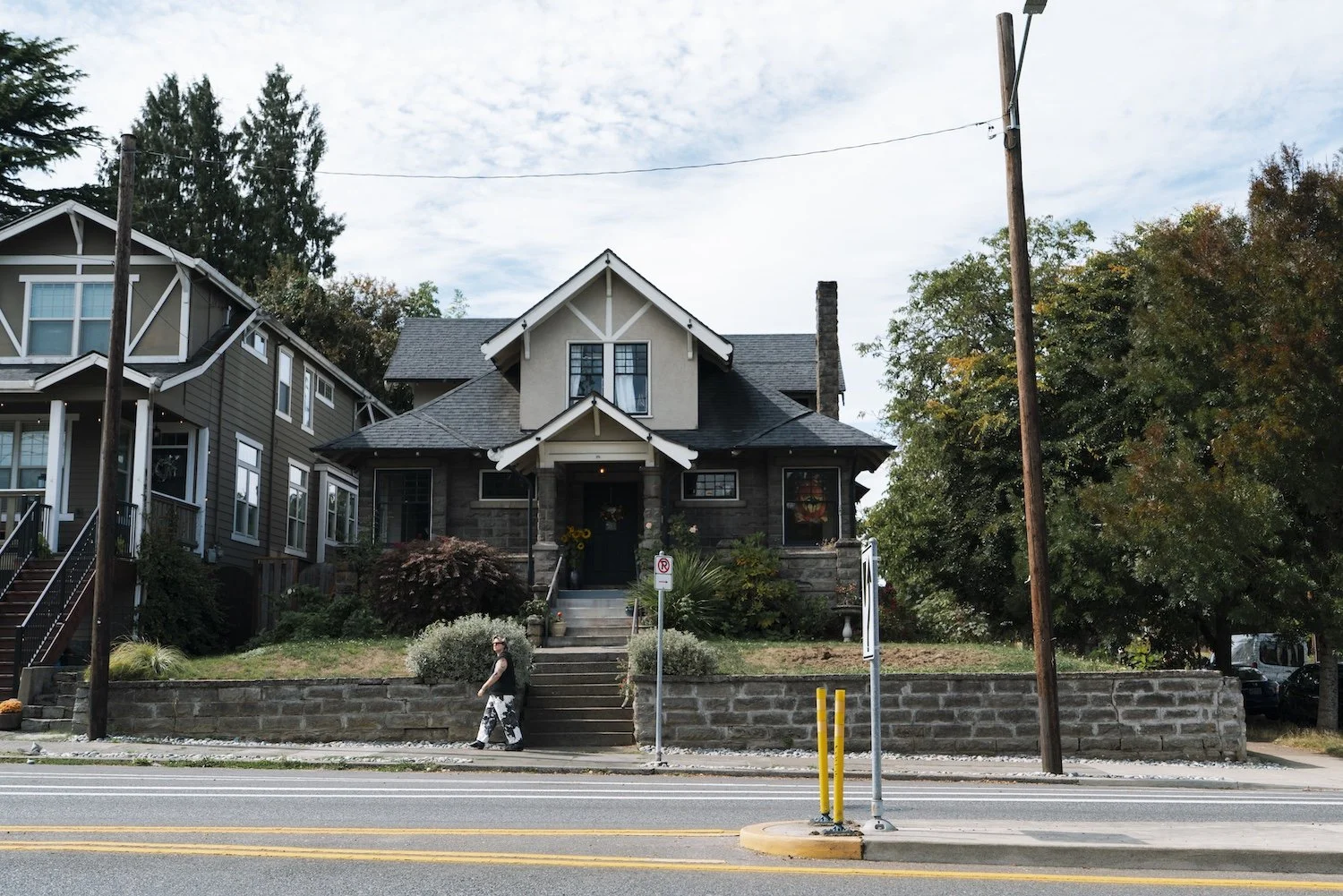
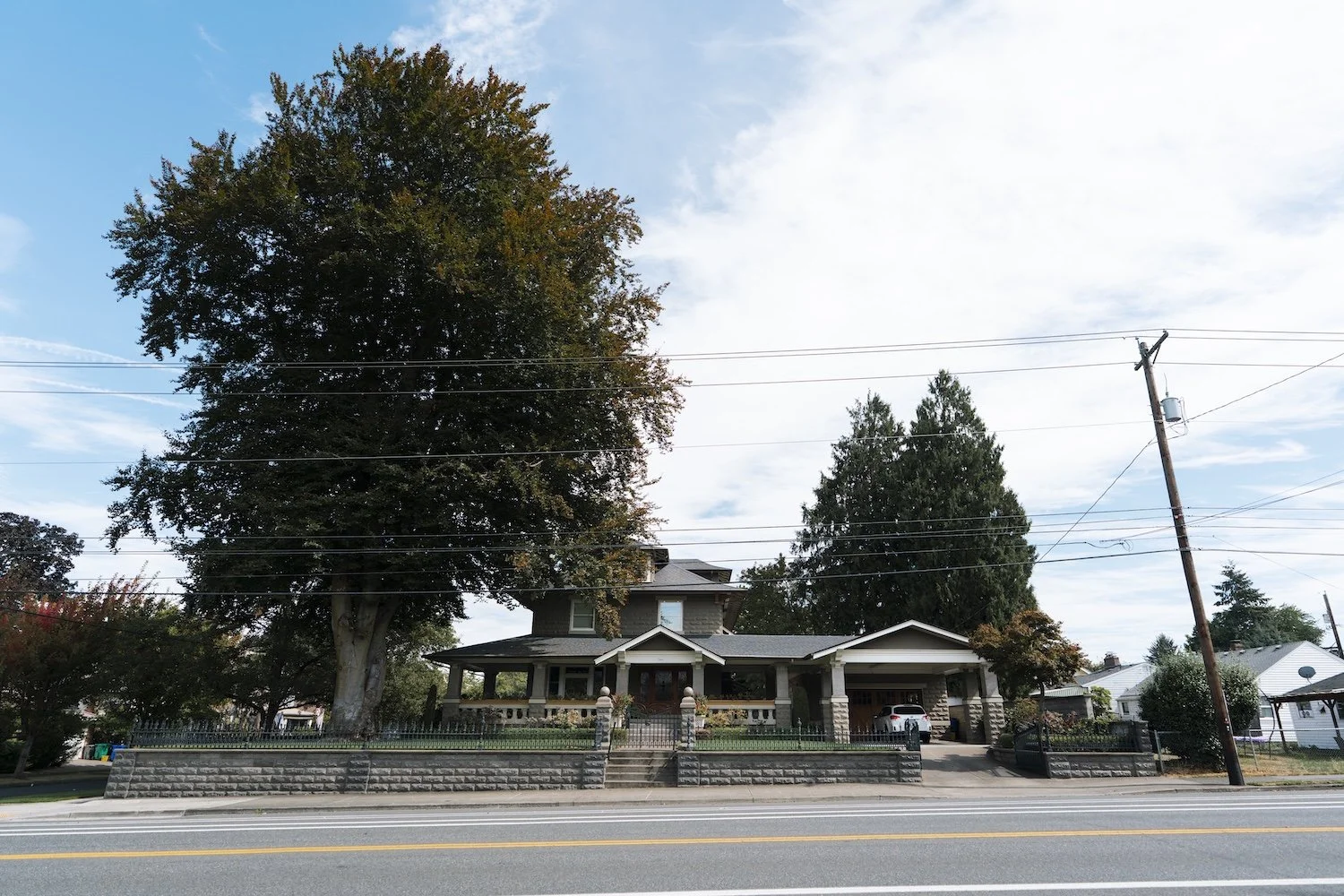
Above, two examples of meatpacking executives’ homes on N Denver Ave in Kenton, both made from concrete blocks meant to look like stone.
Large homes were built on or east of N Denver Ave using this same faux-stone aesthetic for executives of the meatpacking companies. Smaller, more humble homes for the laborers were built west of N Denver Ave.
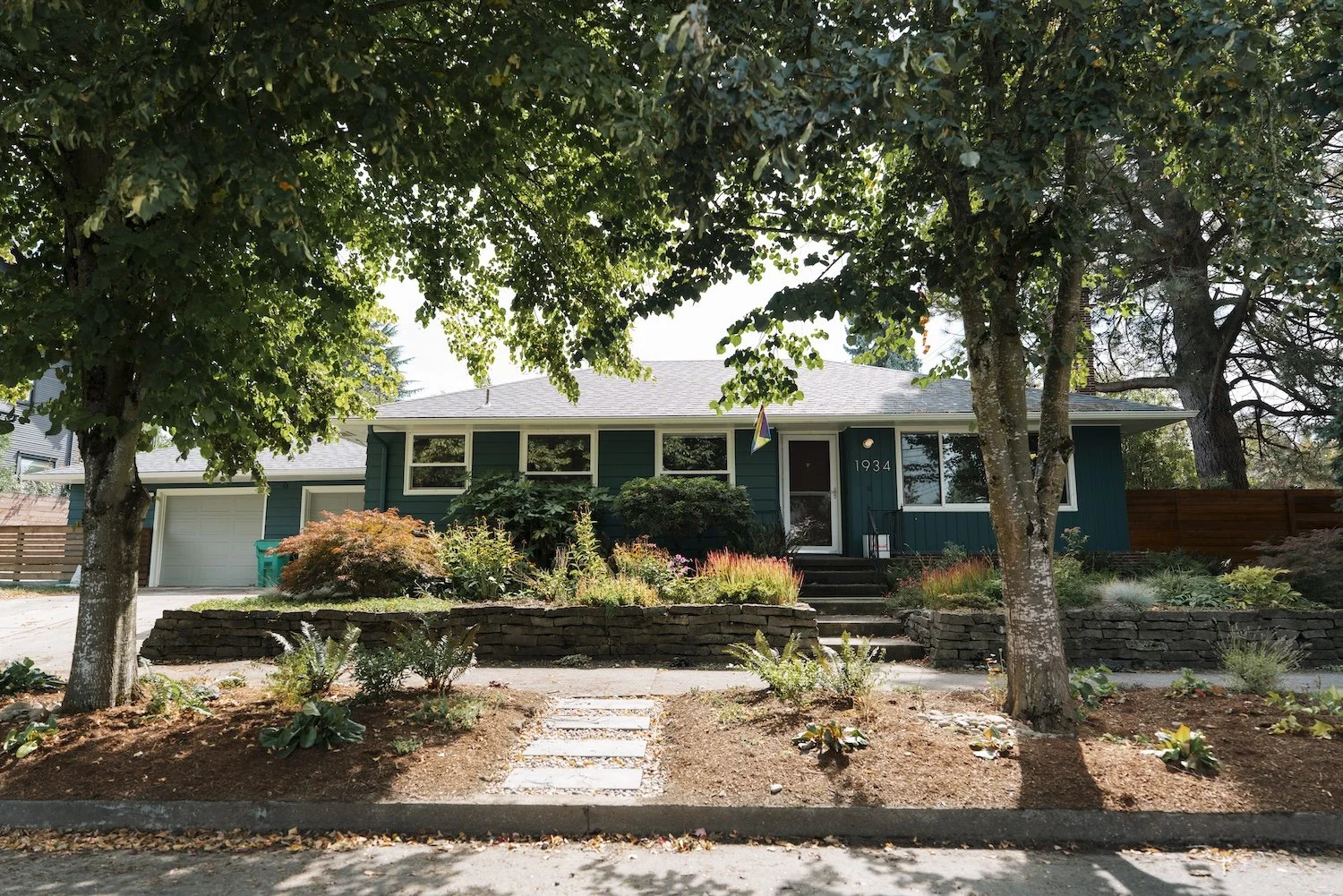
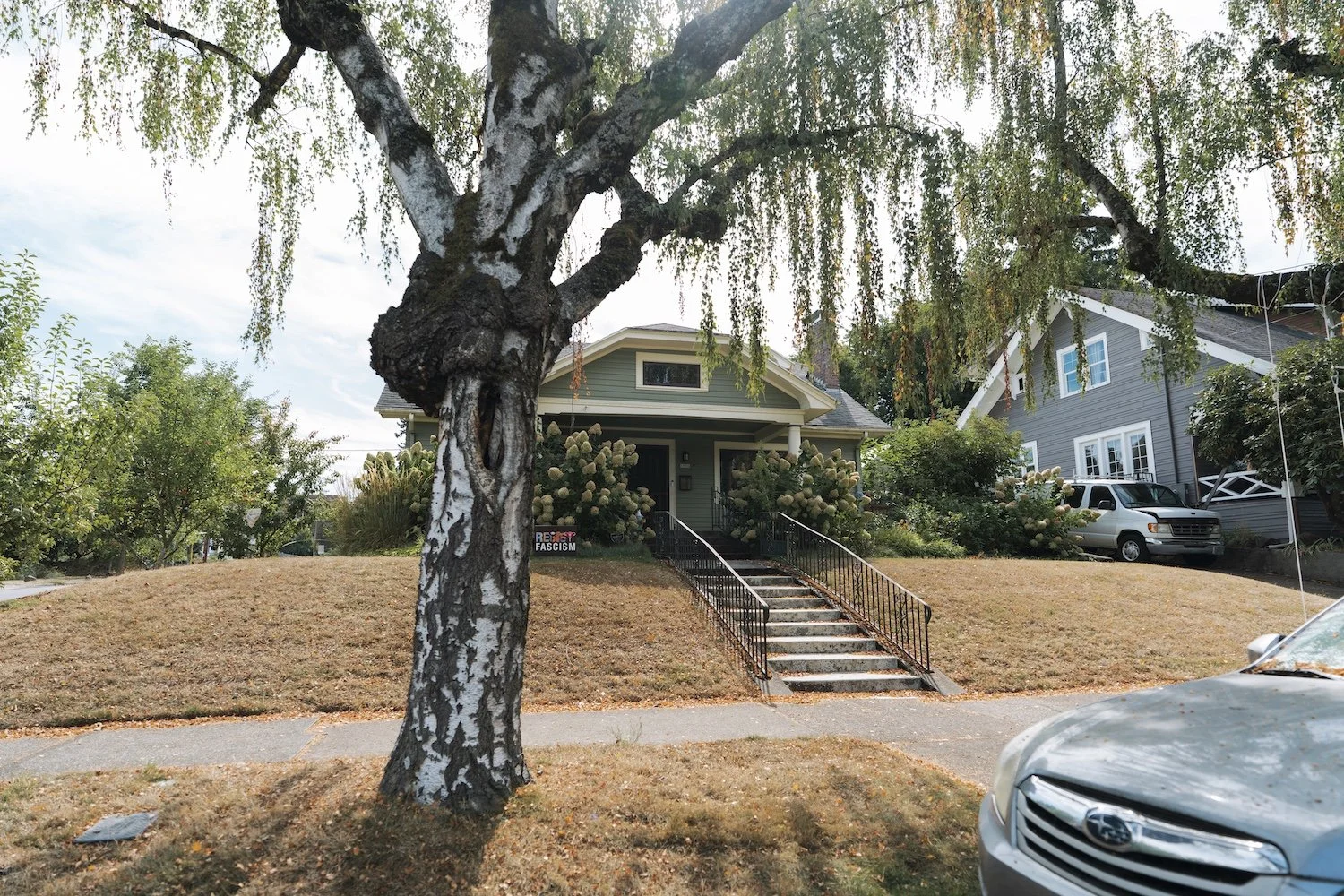
Top left: a ranch home in the Kenton neighborhood. Top right: a bungalow in the Kenton neighborhood.
The US’s involvement in WWII marks the start of a disturbing era in Kenton’s history. In 1942, approximately 122,000 Americans of Japanese ancestry were wrongfully imprisoned in “internment camps.” In Oregon and Southern Washington, Japanese Americans were imprisoned at the International Livestock Exposition building (formerly the Union Stockyards). Families were made to sleep in livestock pens, and many of them lost their homes, possessions, and careers.
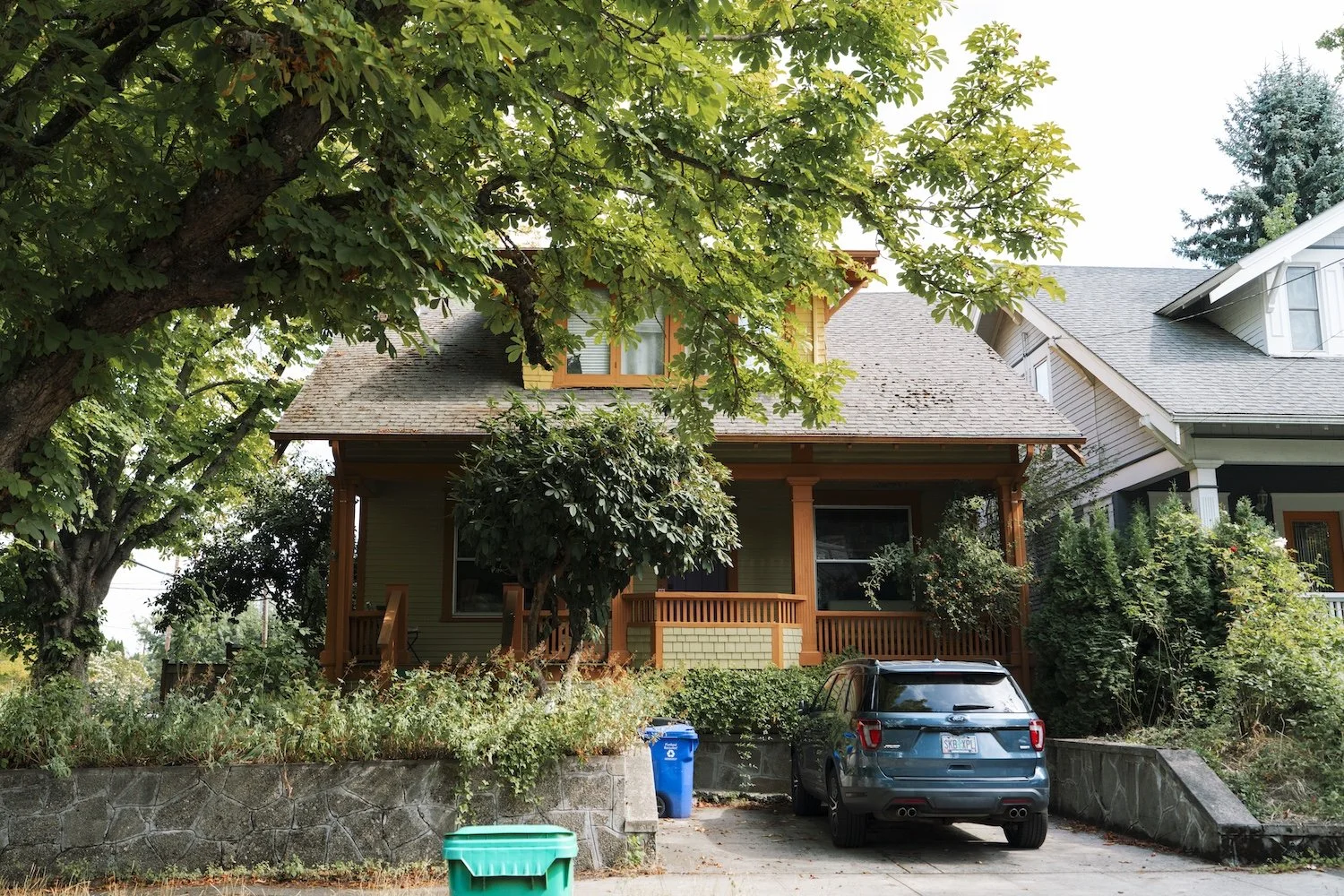
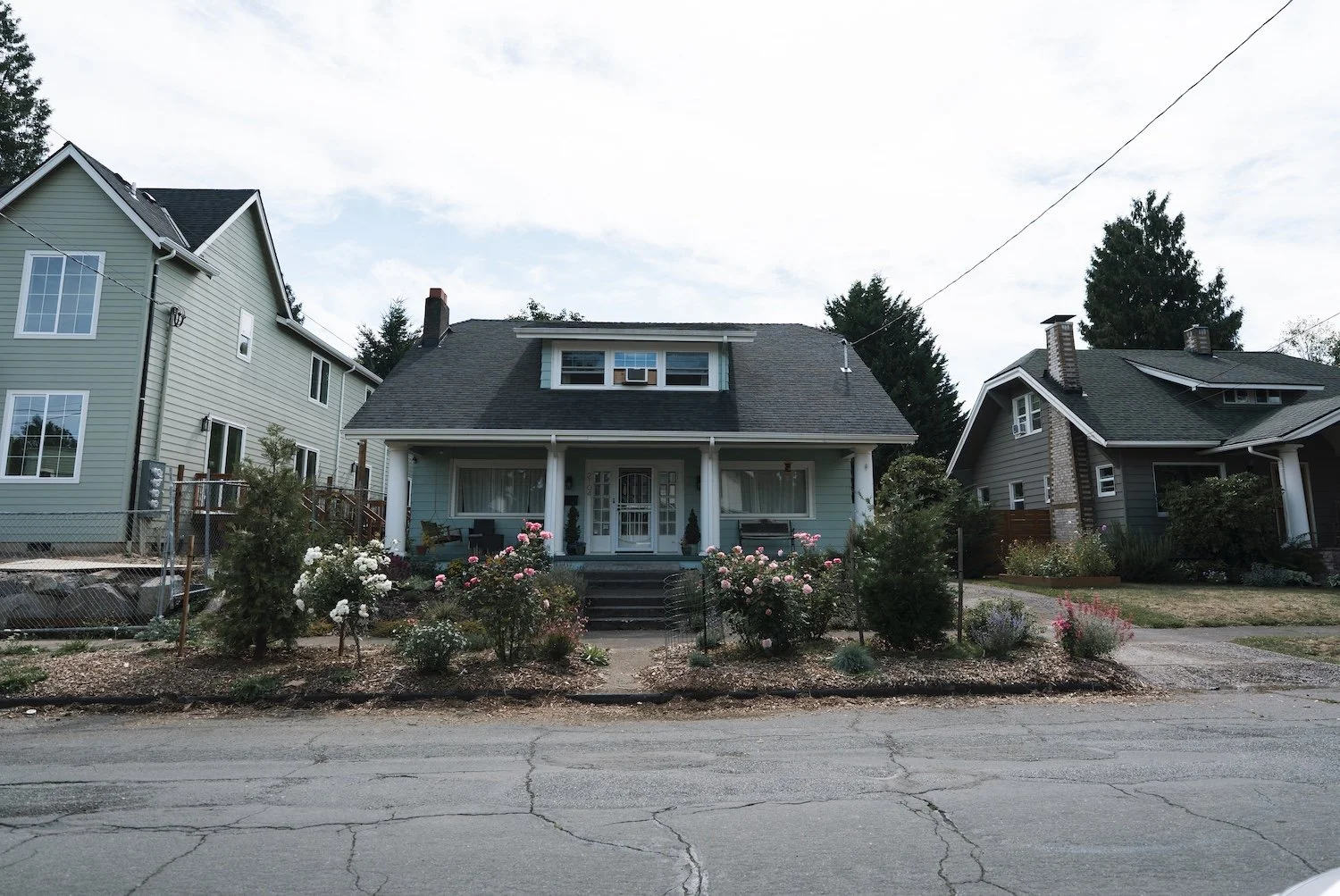
Top left: A more generously sized craftsman in the Kenton neighborhood. Top right: a bungalow with grand pillars in the Kenton neighborhood.
Henry J Kaiser commissioned three shipyards during WWII that became the most prolific producer of ‘Liberty Ships,’ which were crucial in securing the Allies’ supply lines. The project required more workers than Kenton could provide, and help wanted ads soon brought 160,000 new workers of all races to Portland. Kaiser had no plan for the housing of his new workers, and when they arrived in droves, he quickly purchased lands on the wetland area known as the Columbia Slough and built a housing project, called Vanport, to house the influx of workers. Homes were built poorly and without foundations to keep the shipbuilding project moving quickly and it was home to over 42,000 people by 1945, making it Oregon’s second-largest city at the time.
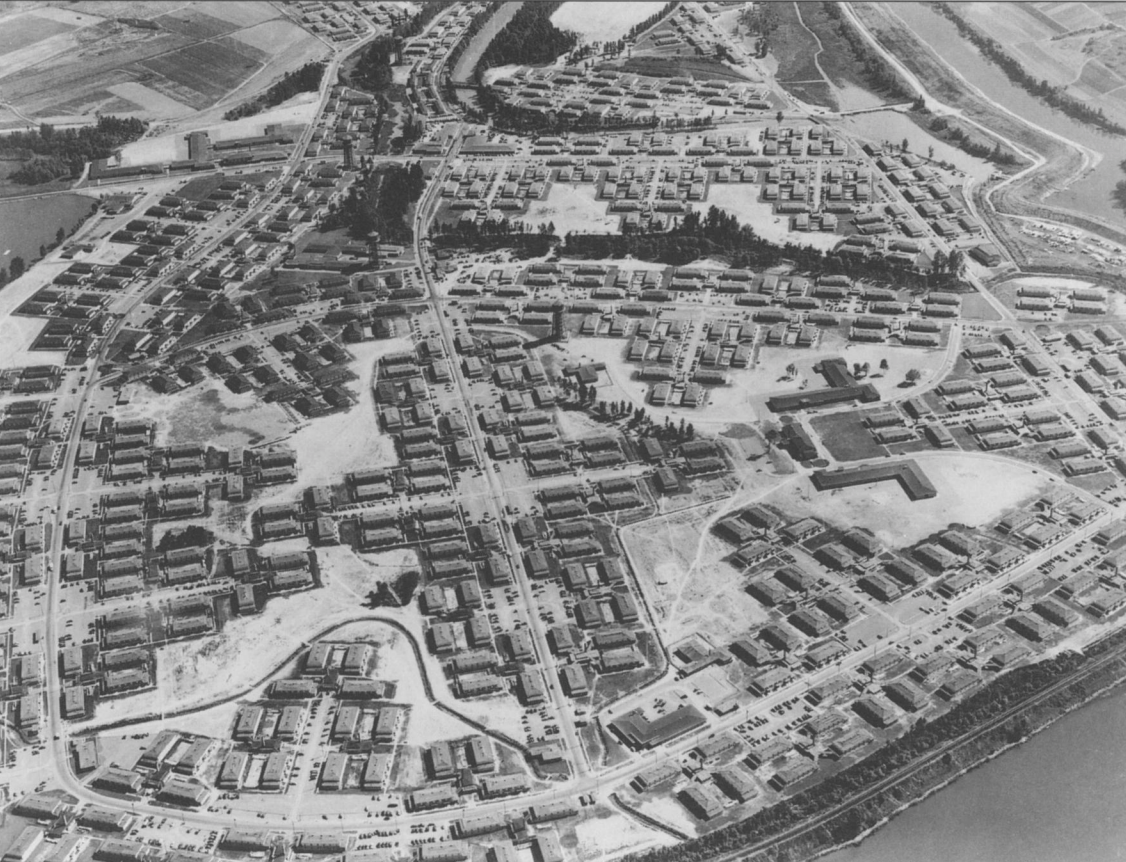
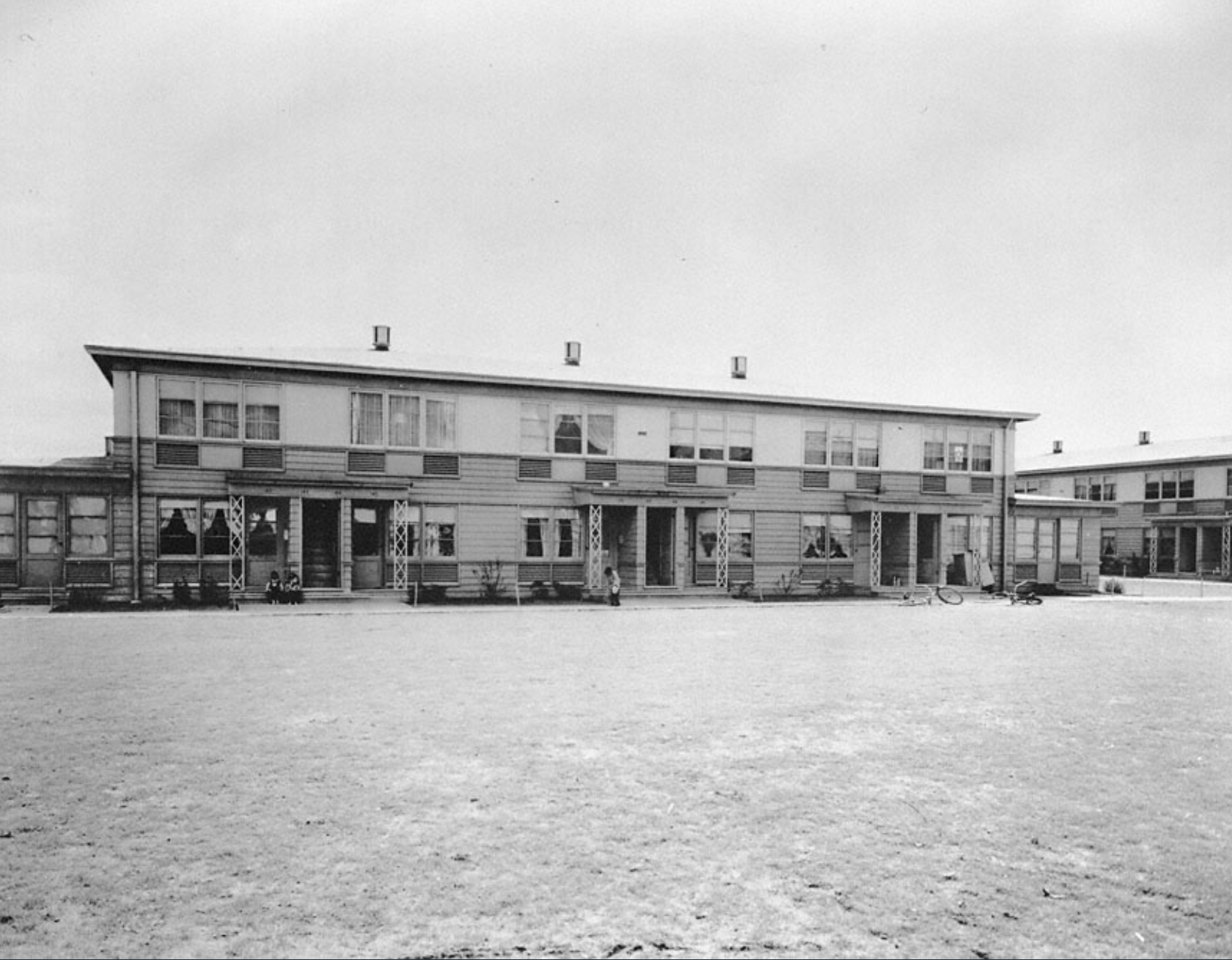
Above: The wartime housing projectVanport shortly after the town’s construction. Images courtesy of the Oregon Historical Society.
When the war ended and workers moved out of Vanport, Portland’s racist redlining policies made it difficult for Black families to find new places to live, and many remained in Vanport. In May 1948, heavy rain flooded the Columbia River, and despite the apparent danger, the city chose not to warn residents and instead urged them to stay put, because they didn’t want to shelter Black people in Portland. When the dike broke, a 10-foot wall of water washed through Vanport, destroying the poorly built homes, and washing the entire town away. Residents had less than 30 minutes to grab all of their worldly possessions and find higher ground.
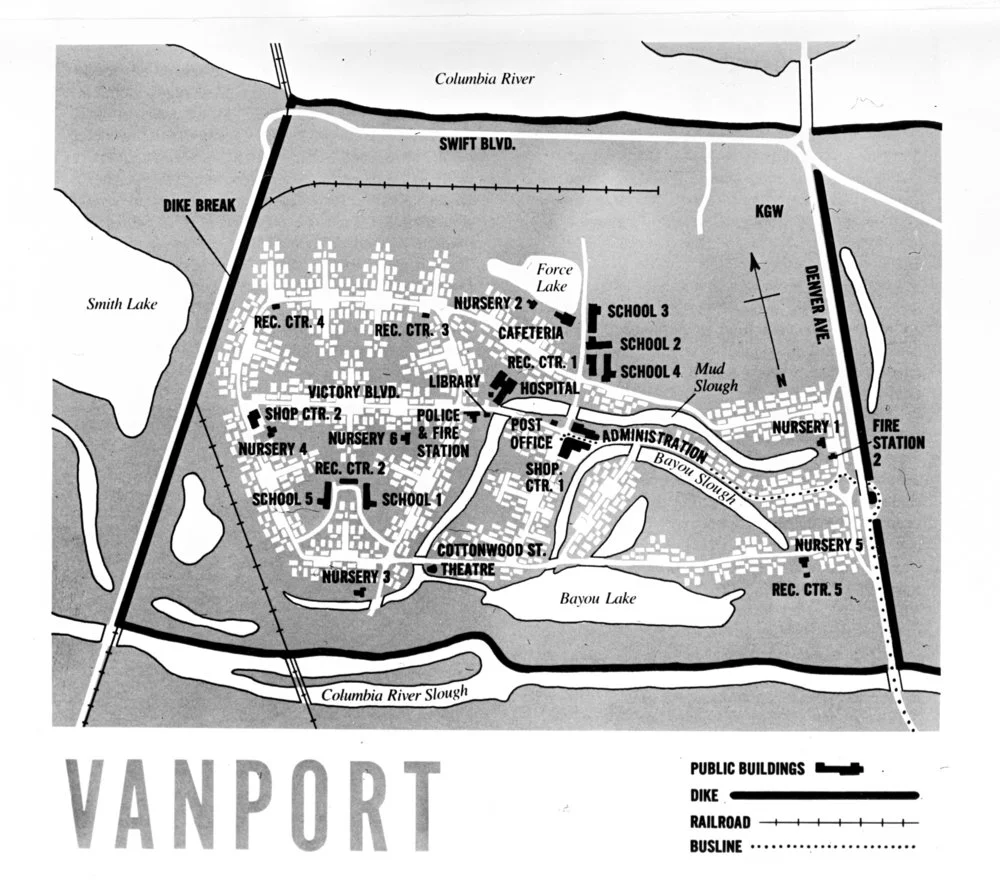
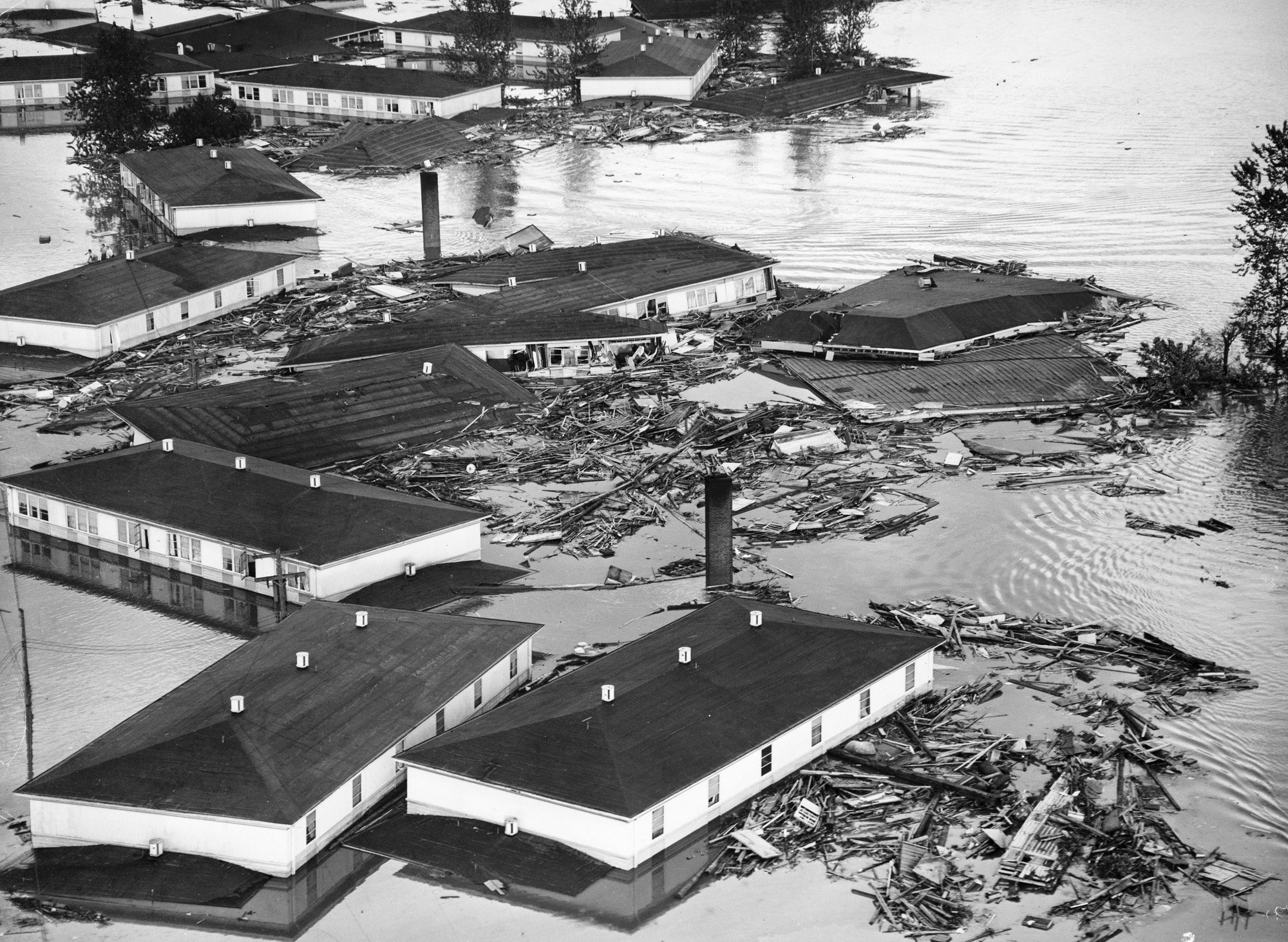
Above left: A map of Vanport before the town’s destruction. Above right: Vanport after the flood destroyed the entire town.
Black residents who became refugees after the Vanport tragedy faced a long uphill battle. The city was unwilling to provide new public housing for Black families and was also unwilling to desegregate, and Black residents were forced to live in the Albina neighborhood, which was the most run-down part of the city at the time. Decades of racist housing policies and racist attitudes, then the gentrification of the historically Black Albina neighborhood, followed. The racism of Portland’s past still impacts Blacks Portlanders today.
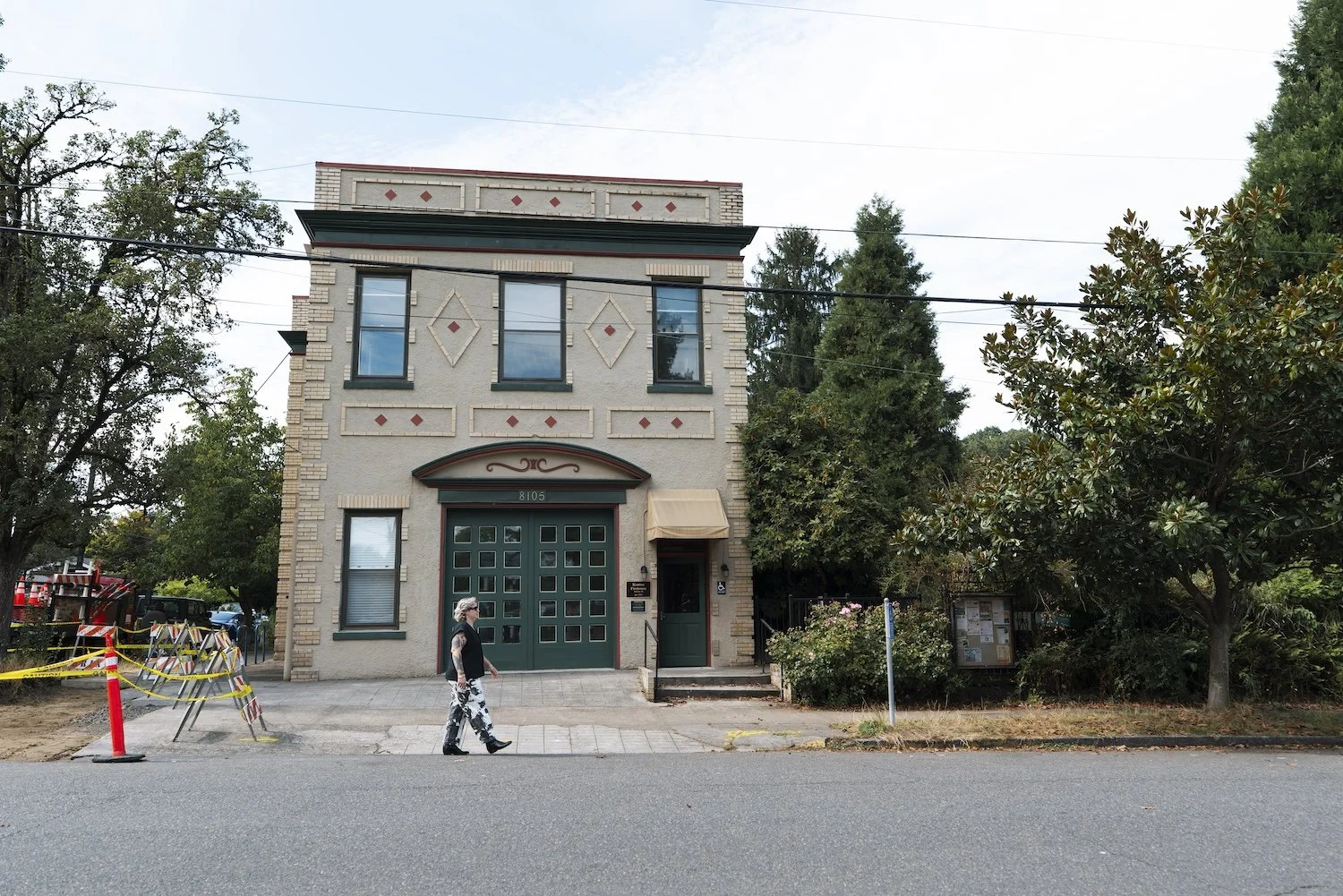
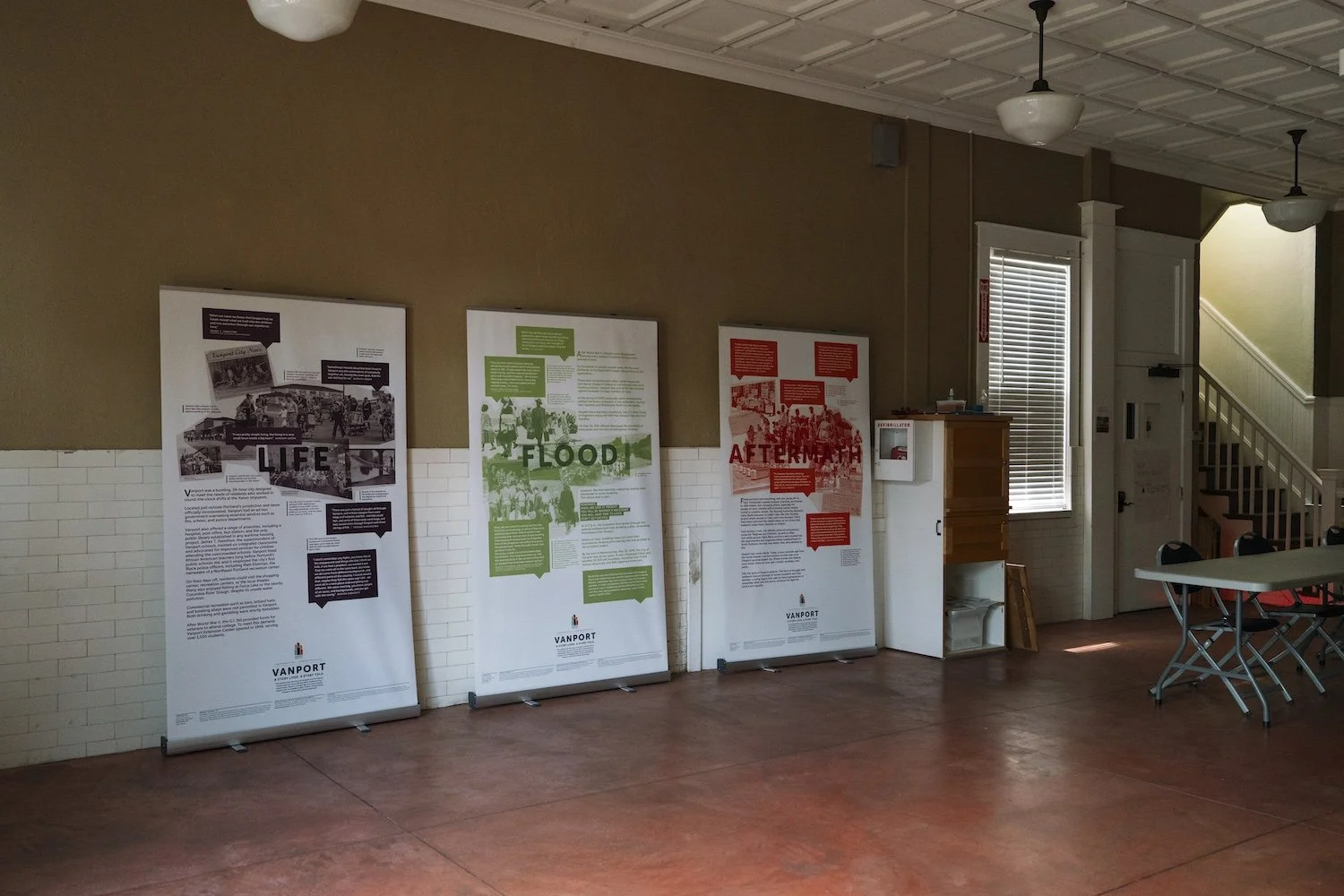
Top left: The historic Kenton Firehouse exterior. Top right: the story of Vanport commemorated inside of the Kenton Firehouse.
Today, Kenton is a vibrant, diverse, and walkable neighborhood centered around the small businesses on N Denver Ave. Grab an the heart-stoppingly oversized cookie at Posies Cafe, stroll the street for vintage treasures at Give and Take Resale and Kenton Antiques, stop at Speck’s for records, mosey on over to Mantel for home decor galore, get lost at the Bamboo Craftsman for all things woodworking and garden, and end the day at The Kenton Club for an iconic night of live music and cold drinks.
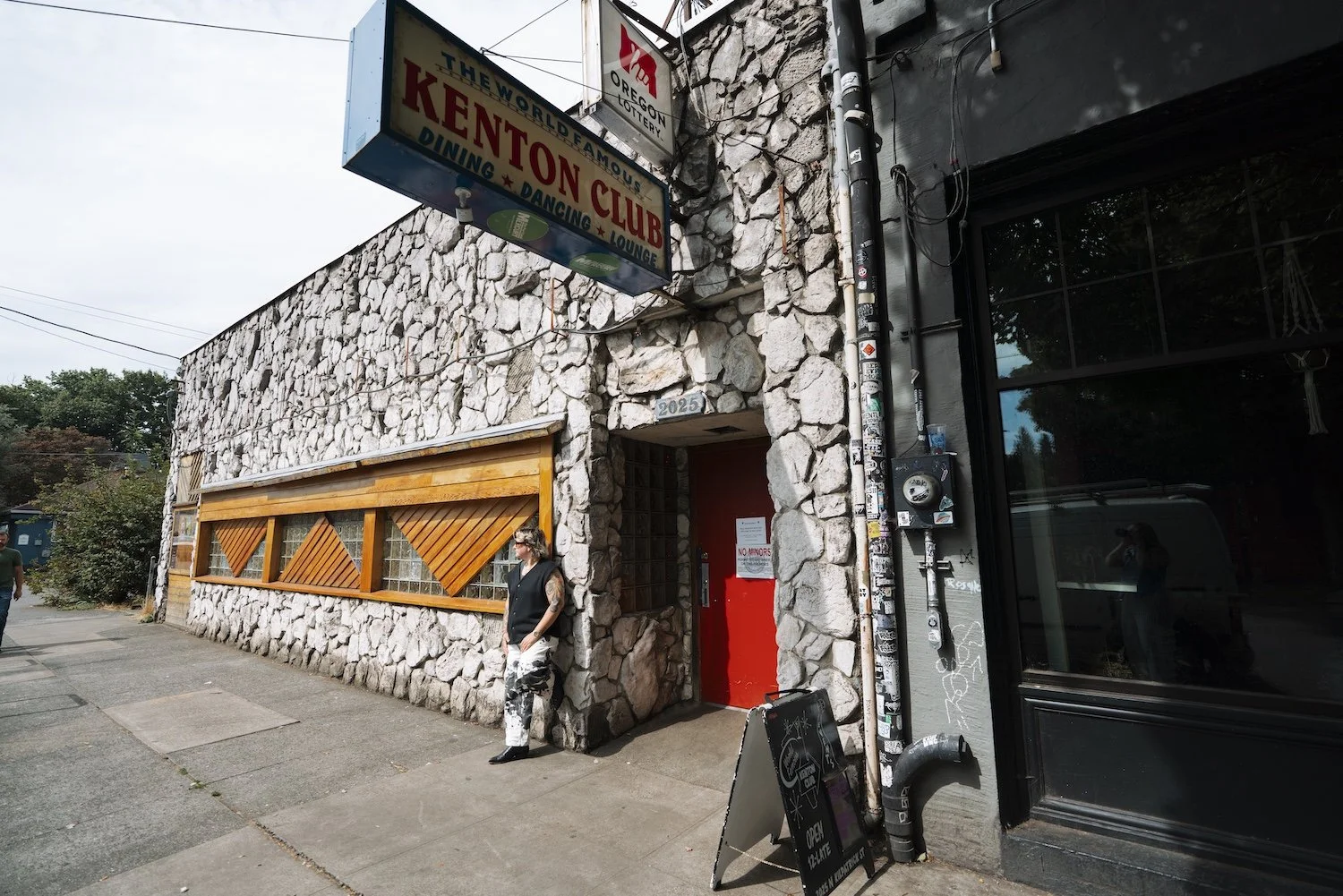
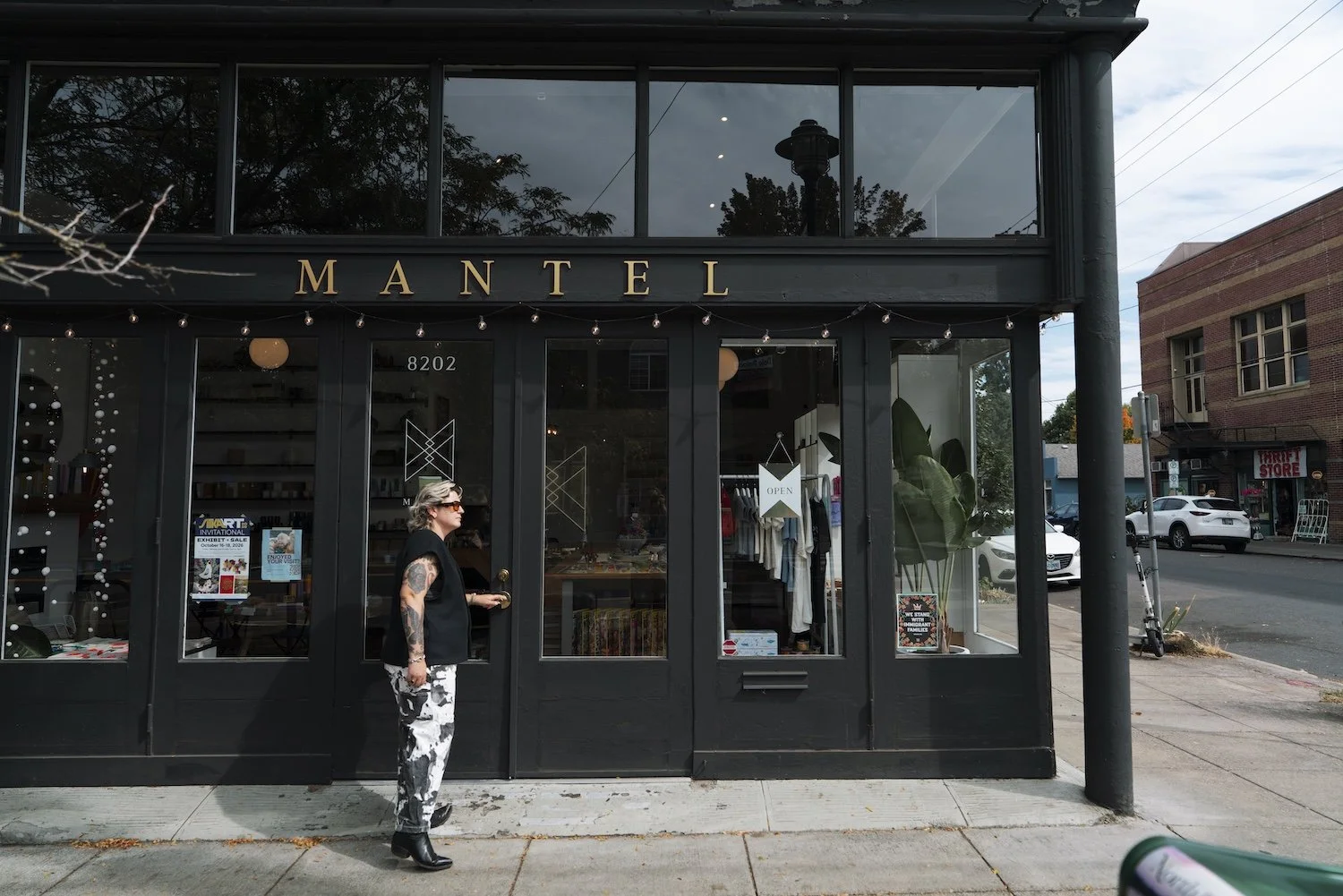
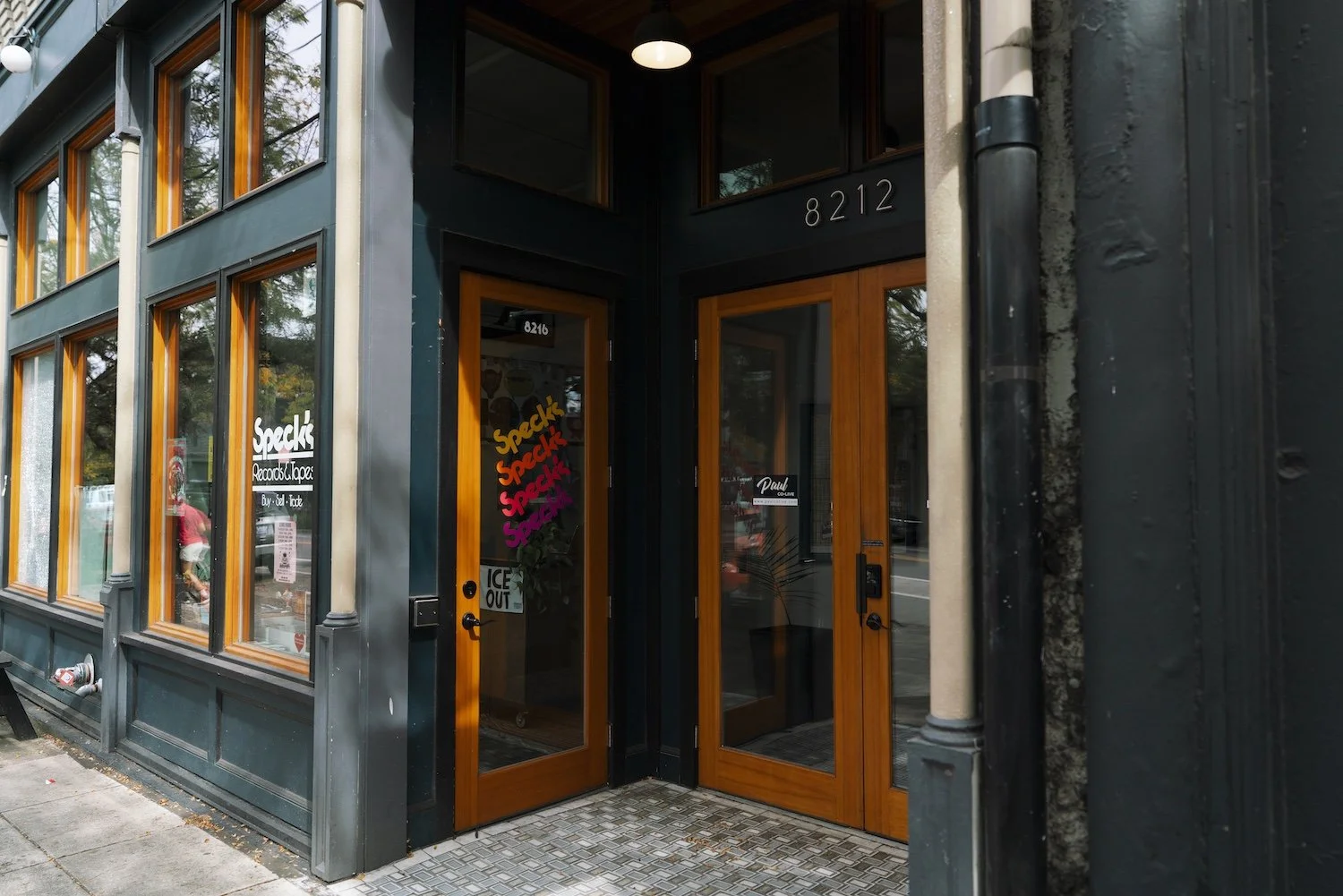
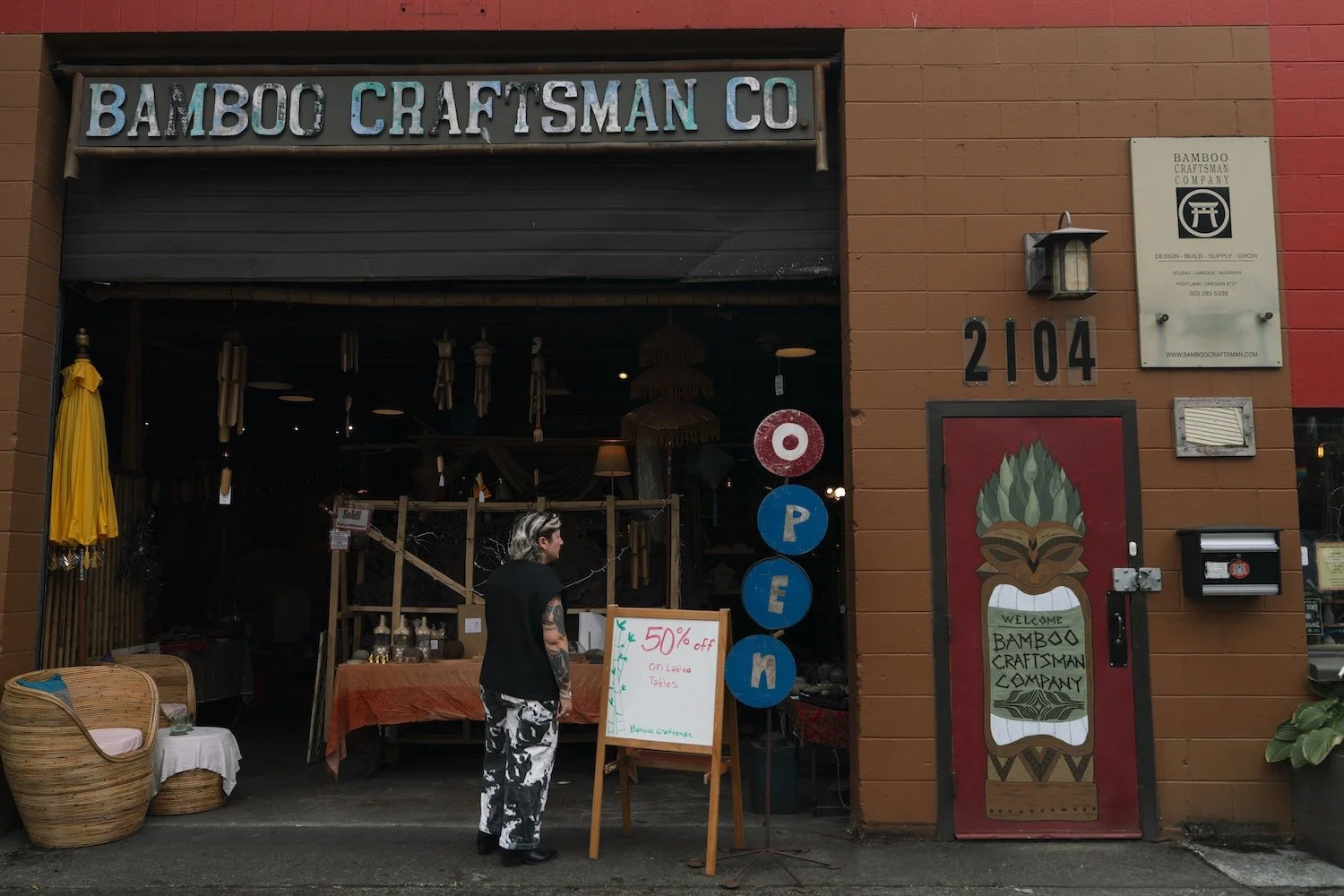
Top left: The iconic Kenton Club. Top right: The marvelous Mantel home goods shop. Bottom left: Speck, the cutest spot for records. Bottom right: Bamboo Craftsman Co, which you have to experience to understand.
Just down the street, The Victorian Belle Mansion is a time capsule to 1885. A jewel box of stained glass and custom millwork, the home was purchased by industry tycoon David Cole and gifted to his bride, Amanda Laura Boone (descendant of the one and only Daniel Boone). Historians believe that it was Portland’s first example of indoor electricity and hot running weather, and the house was equipped with an intercom system for communicating with servants. Okay high tech Victorians! Stained glass by Povey Brothers, of Pittock Mansion fame, glitters on nearly every window in the home. Owner Karla Pearlstein, of Restoring History, bought the mansion to save it and has turned it into a thriving event venue that hosts weddings, proms, burlesque shows, and more.
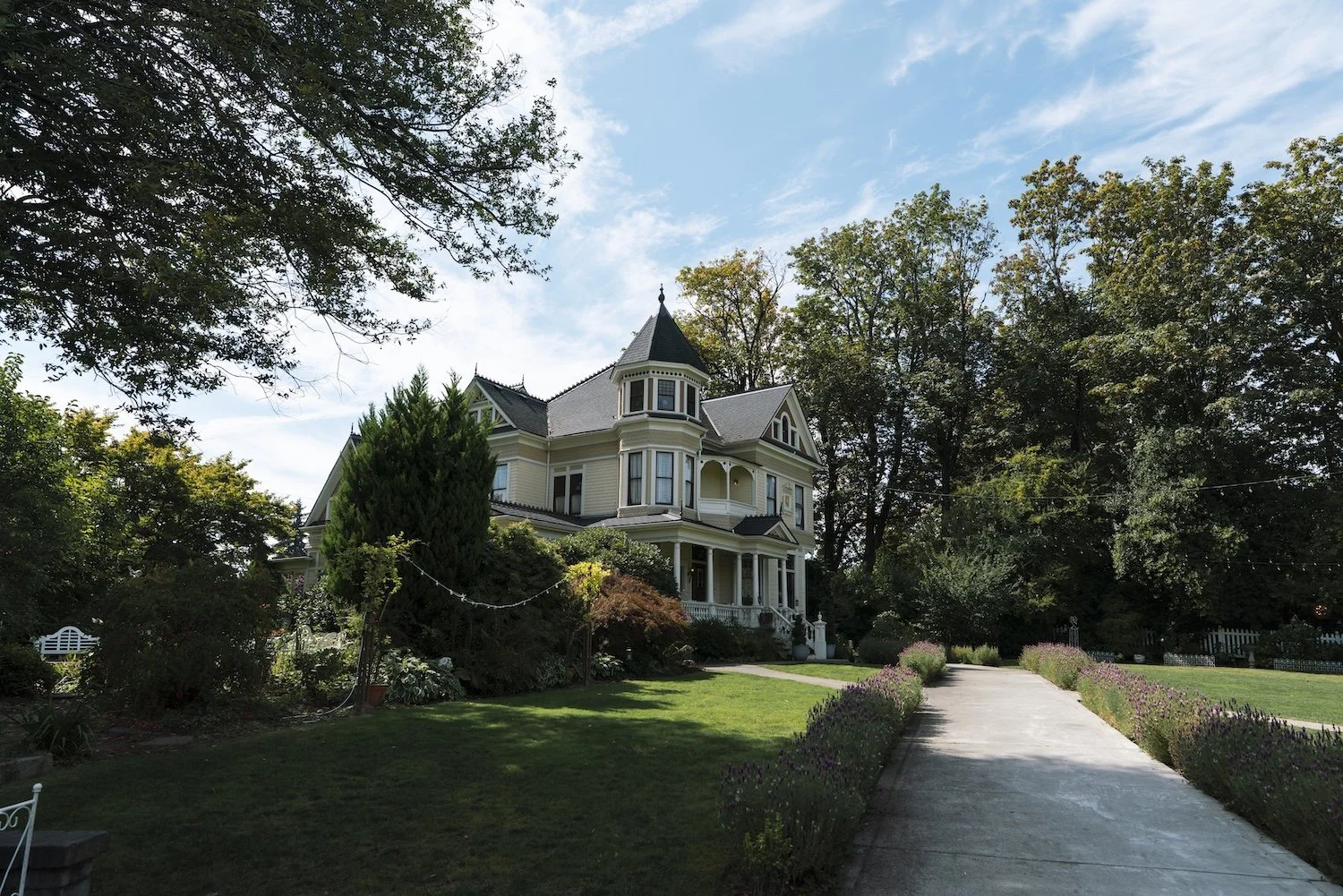
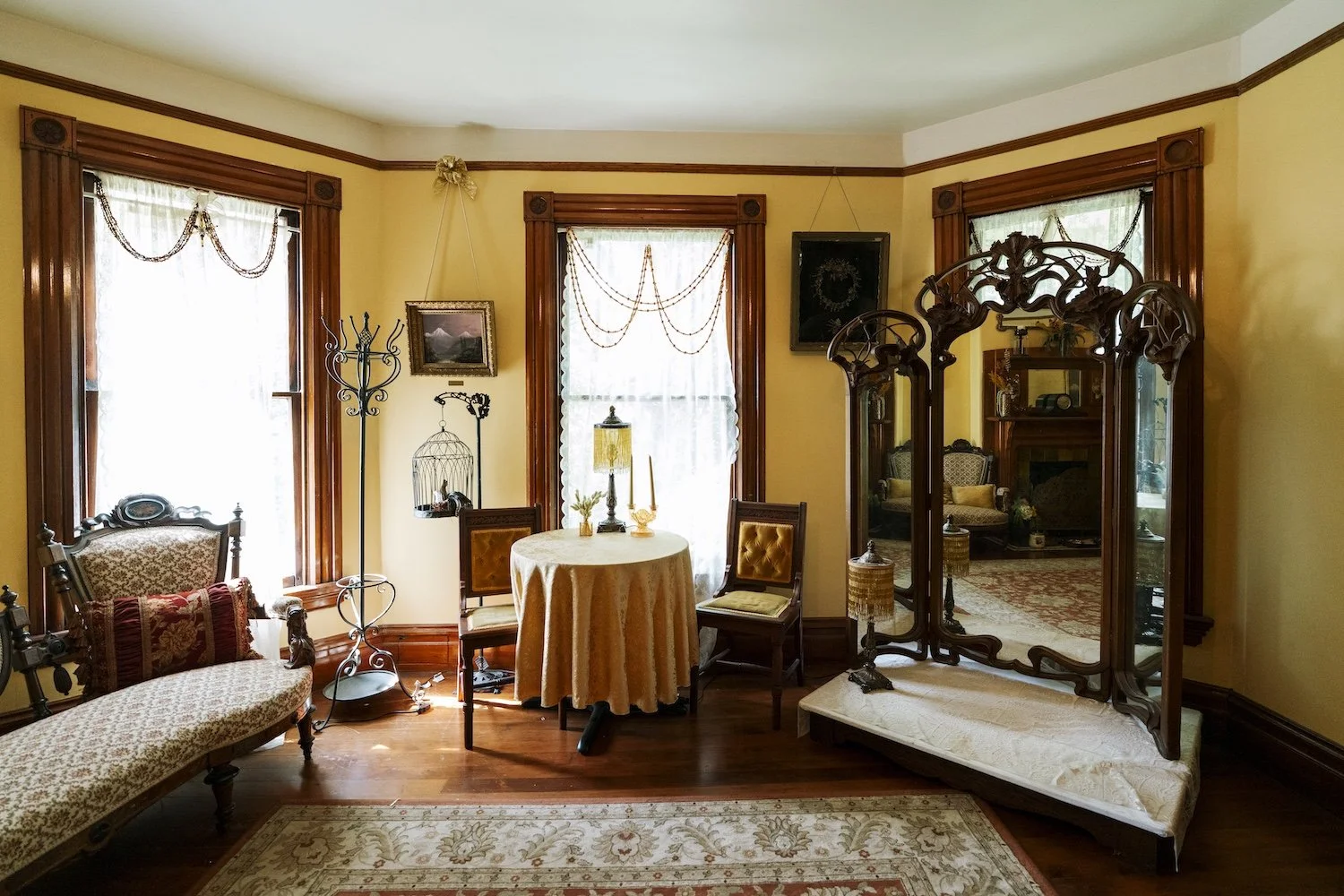
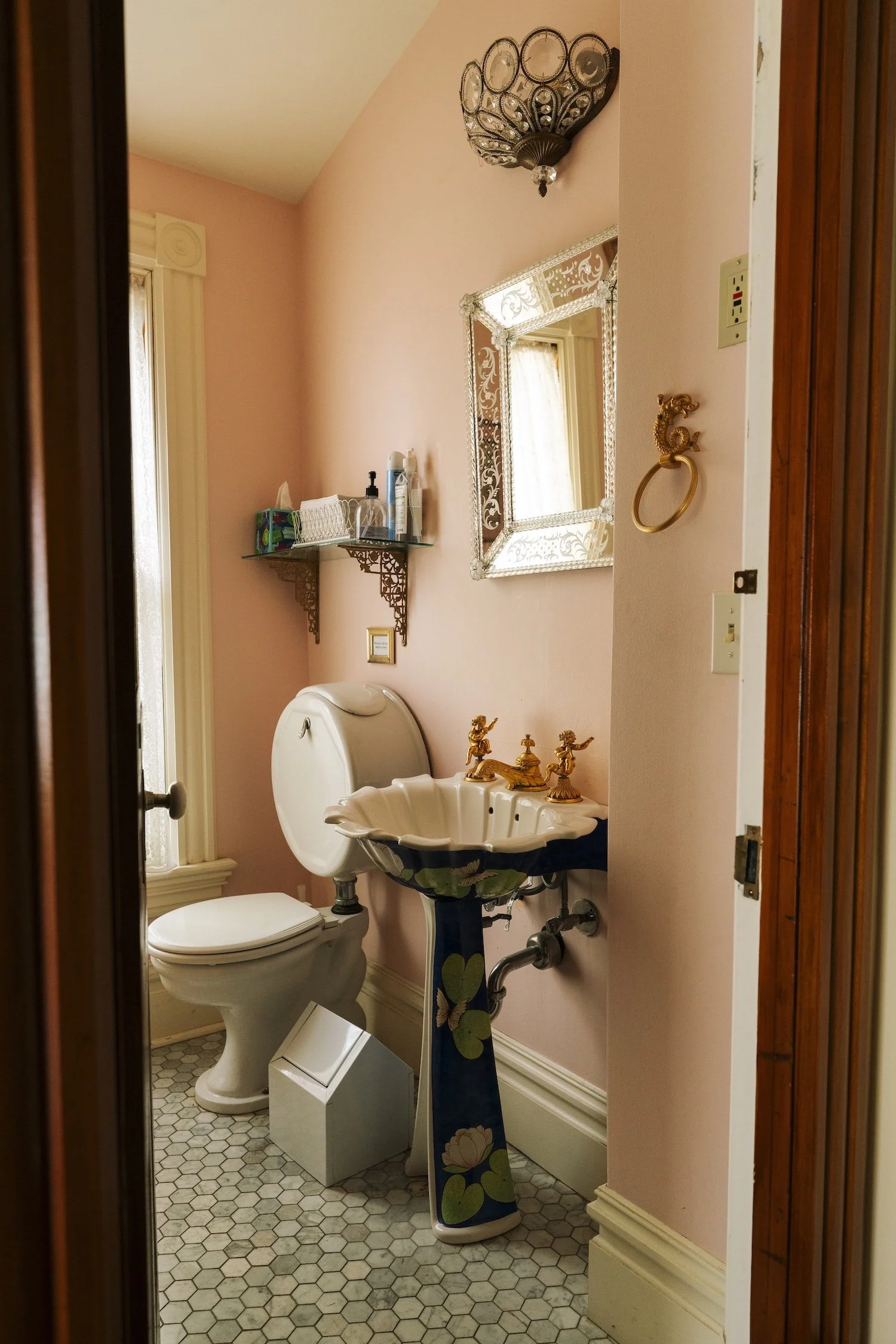
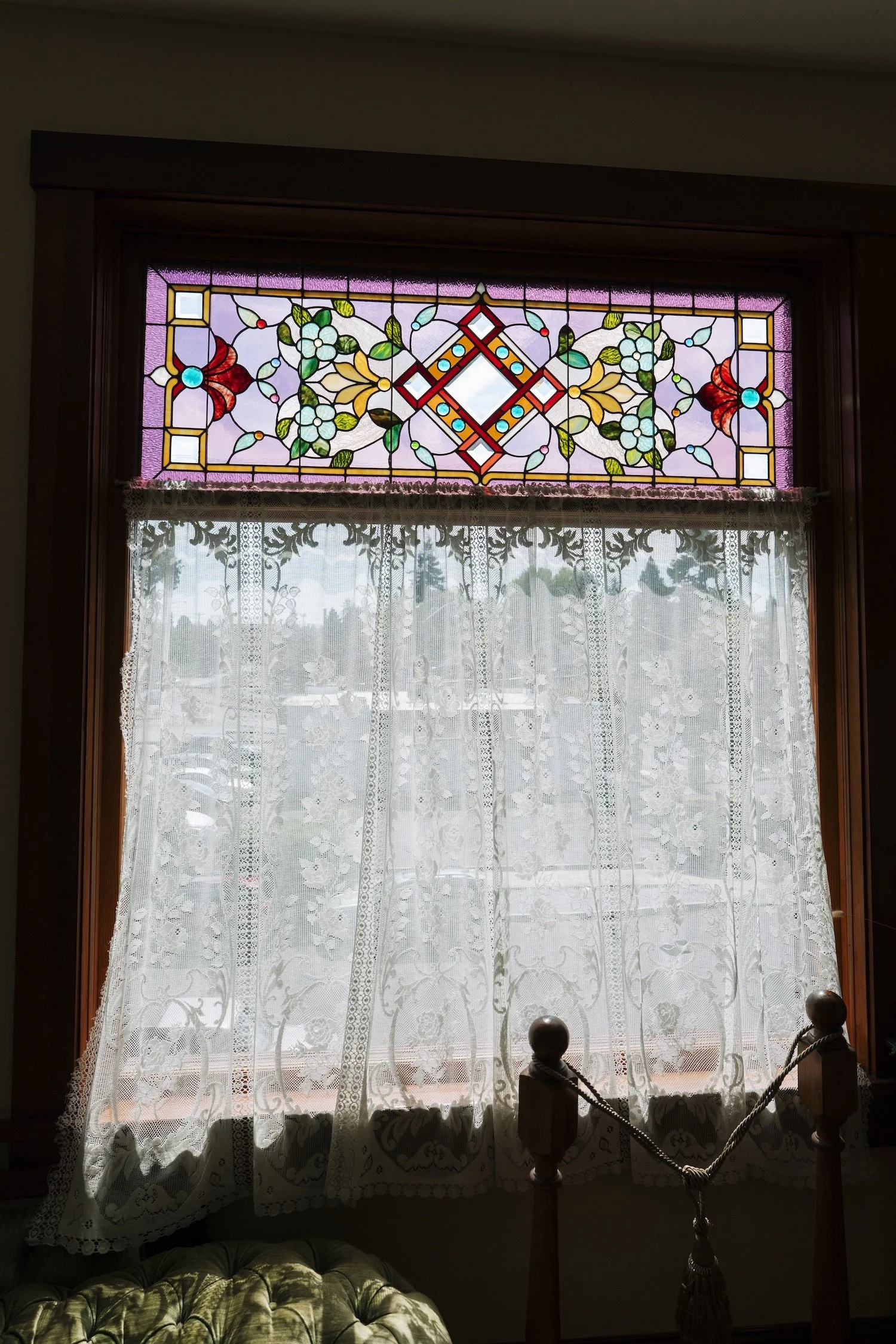
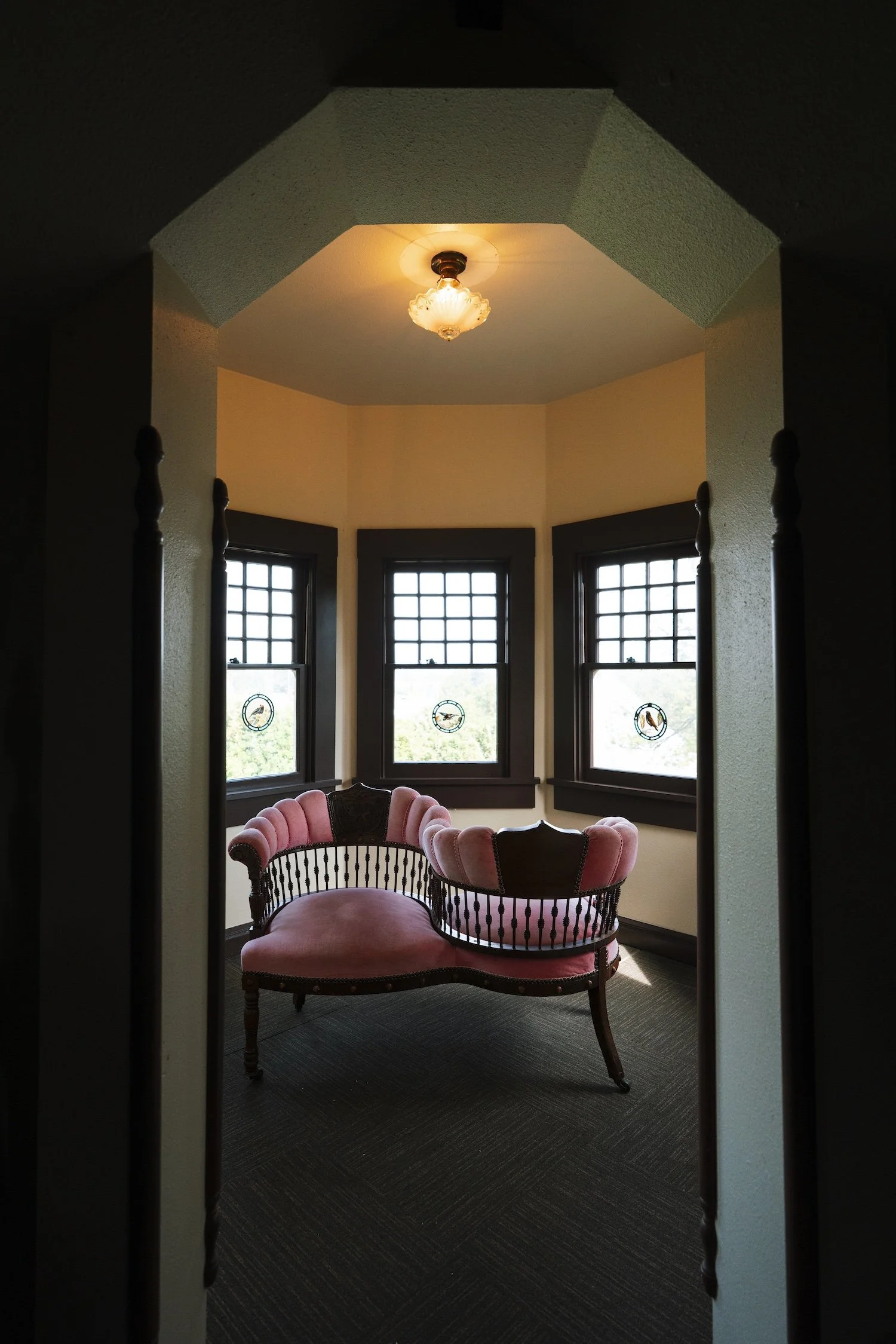
Top left: The exterior and former front entrance of the Victorian Belle Mansion. Top right: One of many sitting rooms inside the Victorian Belle Mansion. Bottom left: The most gorgeous bathroom we’ve ever seen inside the Victorian Belle Mansion. Bottom middle: One of many Povey Brothers stained glass windows inside the mansion. Bottom right: A conversation couch on the top story of the mansion, overlooking the garden.
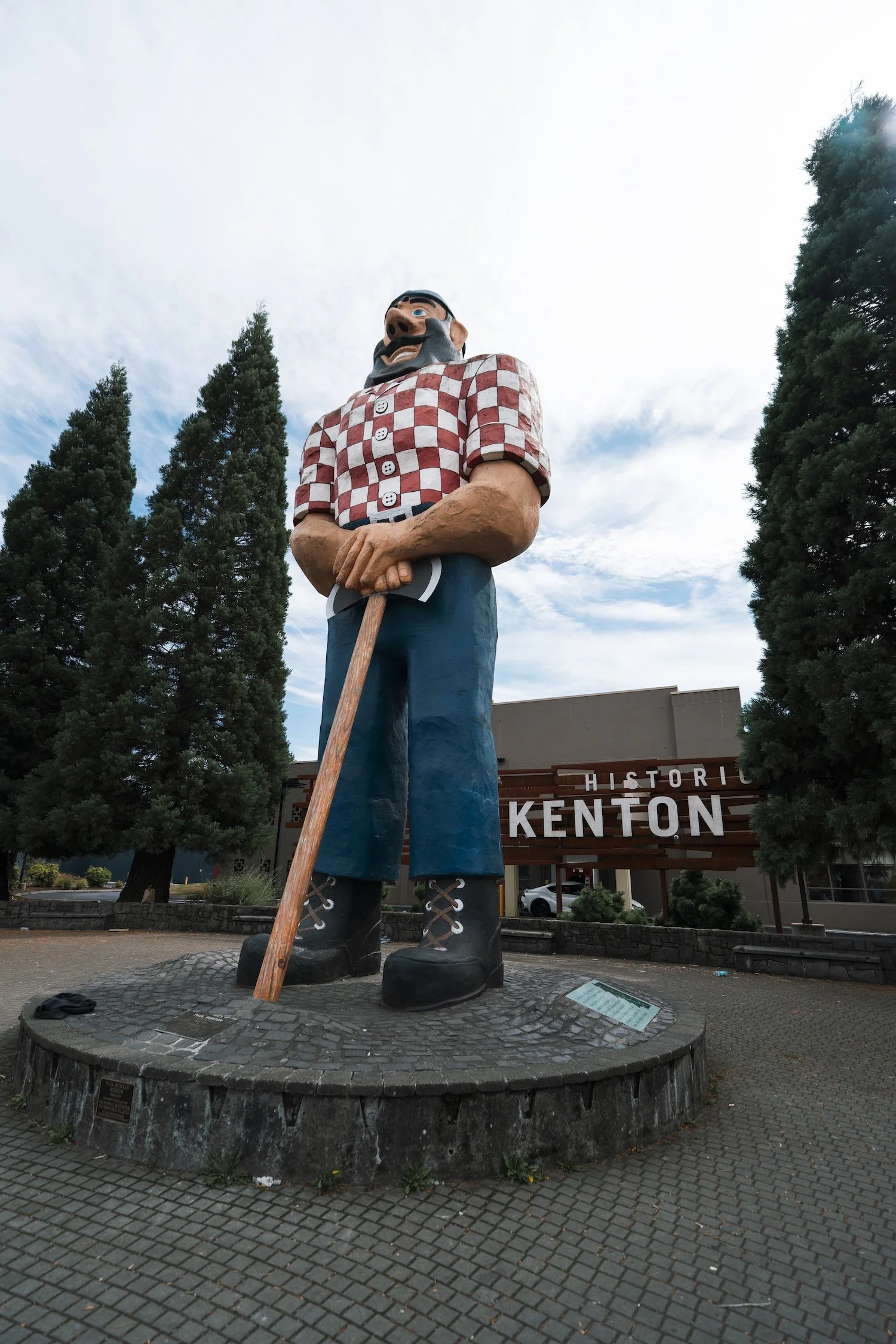
Kenton’s iconic Paul Bunyan statue was commissioned in 1959 by the Kenton Businessmen’s Club for the Centennial Exposition to greet visitors to the fair, which was held on Oregon’s 100-year anniversary of statehood, and ran for 100 days. Now, it greets visitors to the neighborhood and serves as a reminder of the many eras (and quirks) of Kenton.
We love the tight-knit community of Kenton, the neighborhood’s rich history, the walkability, and all of the gorgeous historic homes of all sizes and at all price points. If you’re looking to put down roots in Portland, Kenton might be the perfect place. Let’s grab a coffee at Posies and chat about your dream dwelling!